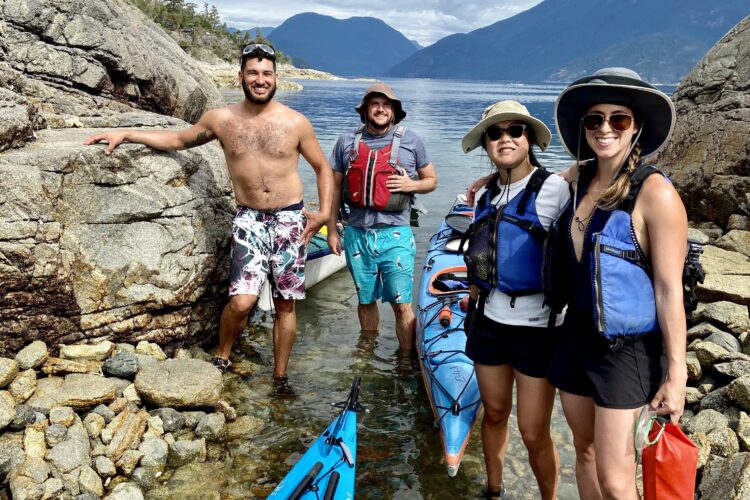
Part I Curme Island August 26 to August 31, 2020
August 26
Our group arrive in Powell River on August 26th in the afternoon. We booked a motel (breakfast included) for the night to purchase fresh produce, organize, and re-pack our gear. This proved to be immensely helpful.


August 27
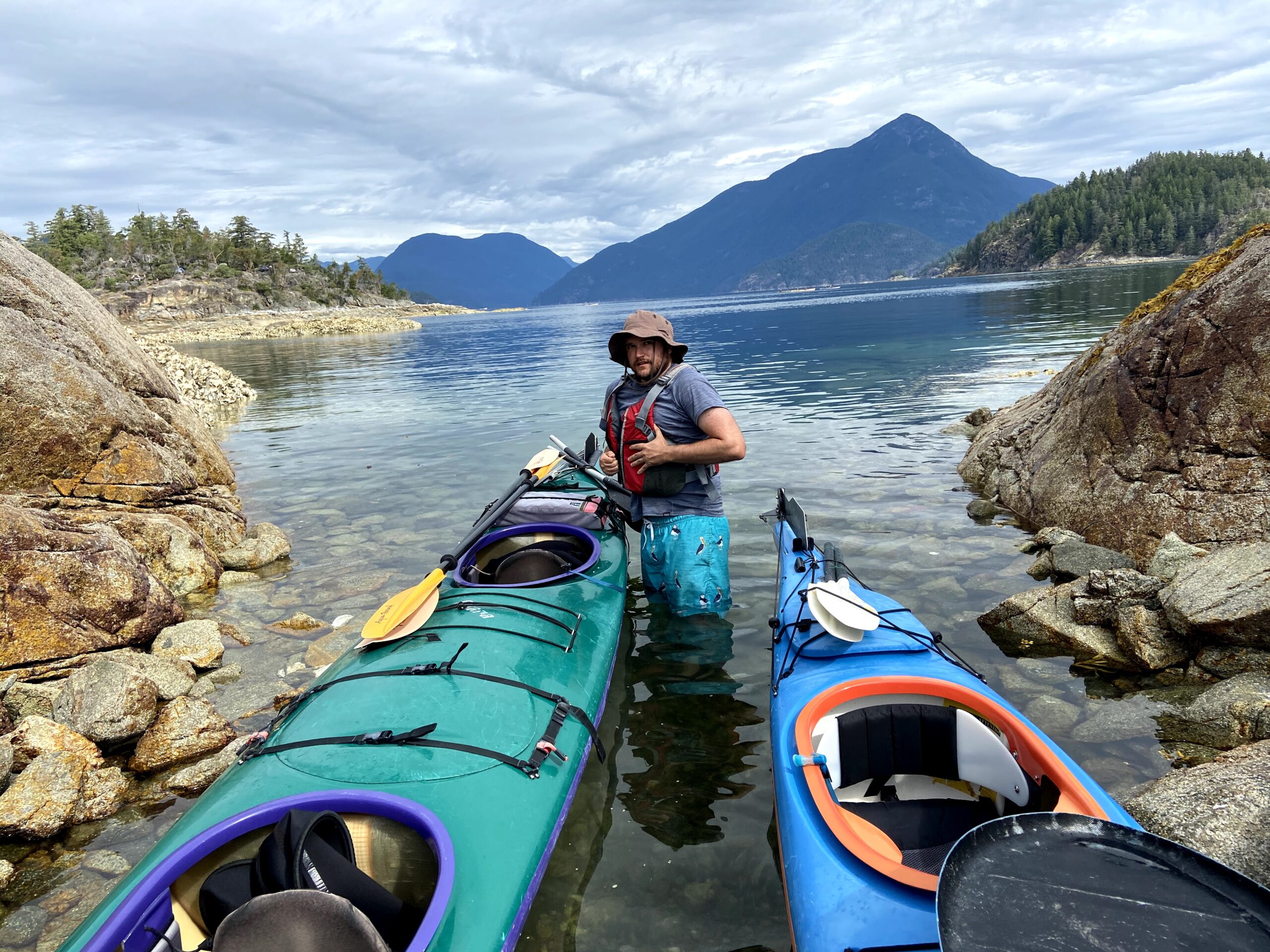
Based on the tide times, we allotted two hours to pack the kayaks for when we wanted to start paddling. We arrived at Powell River Sea Kayaks in Okeover to depart on our journey. We pre-booked a fiber glass double sea kayak and we were spoiled with how much space it had for all our gear. They also had a hose to fill up our water jugs.
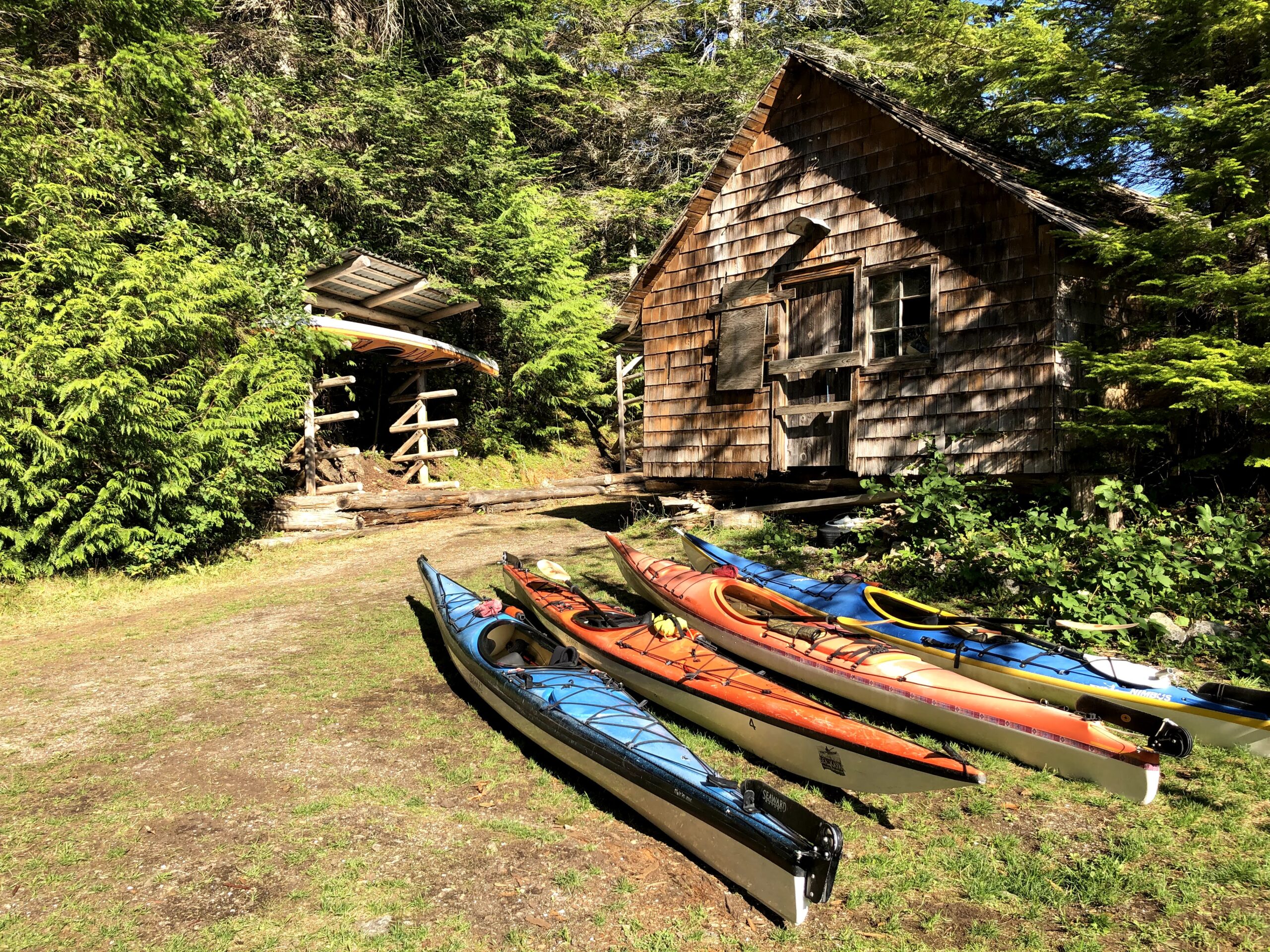
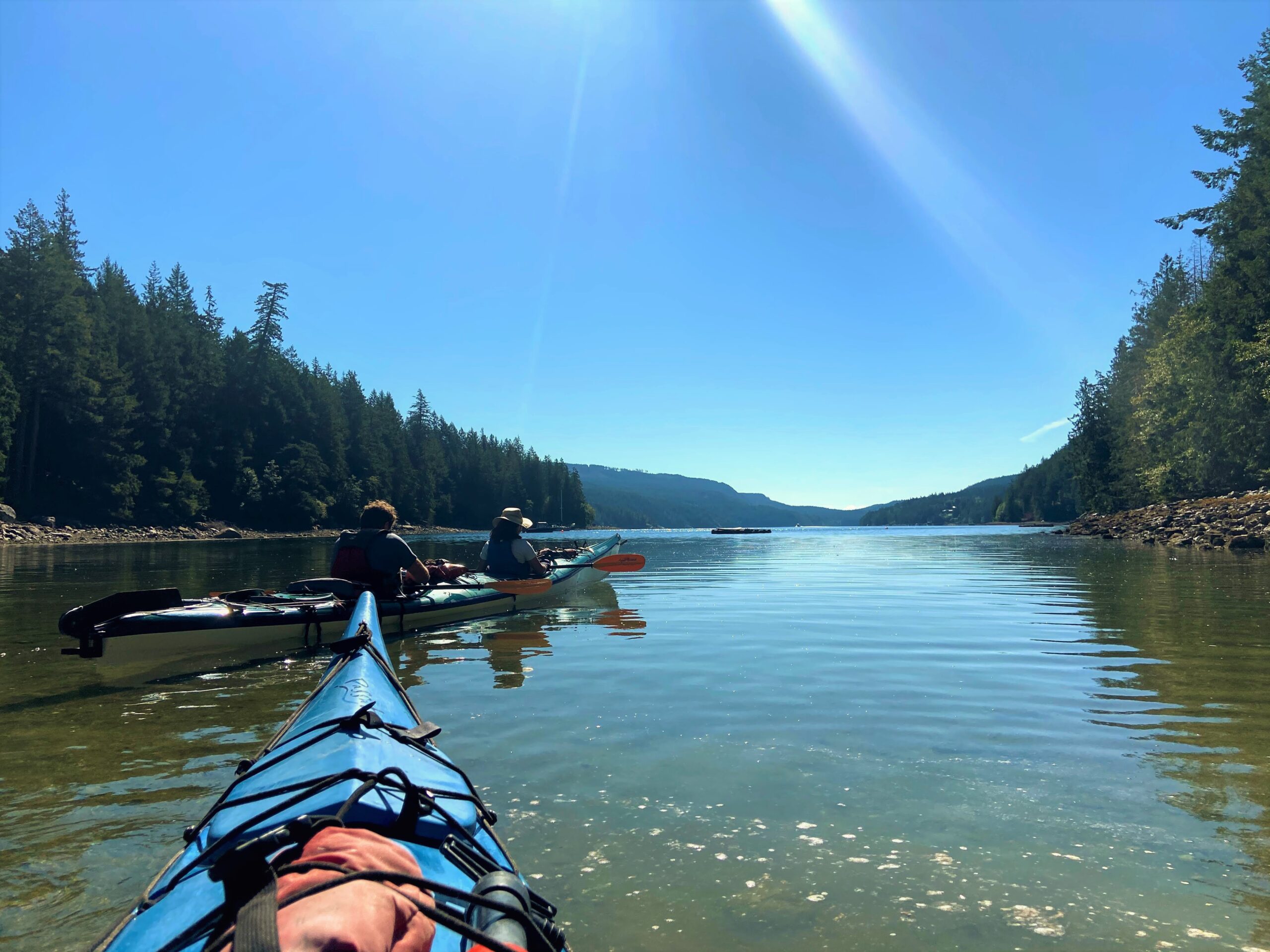
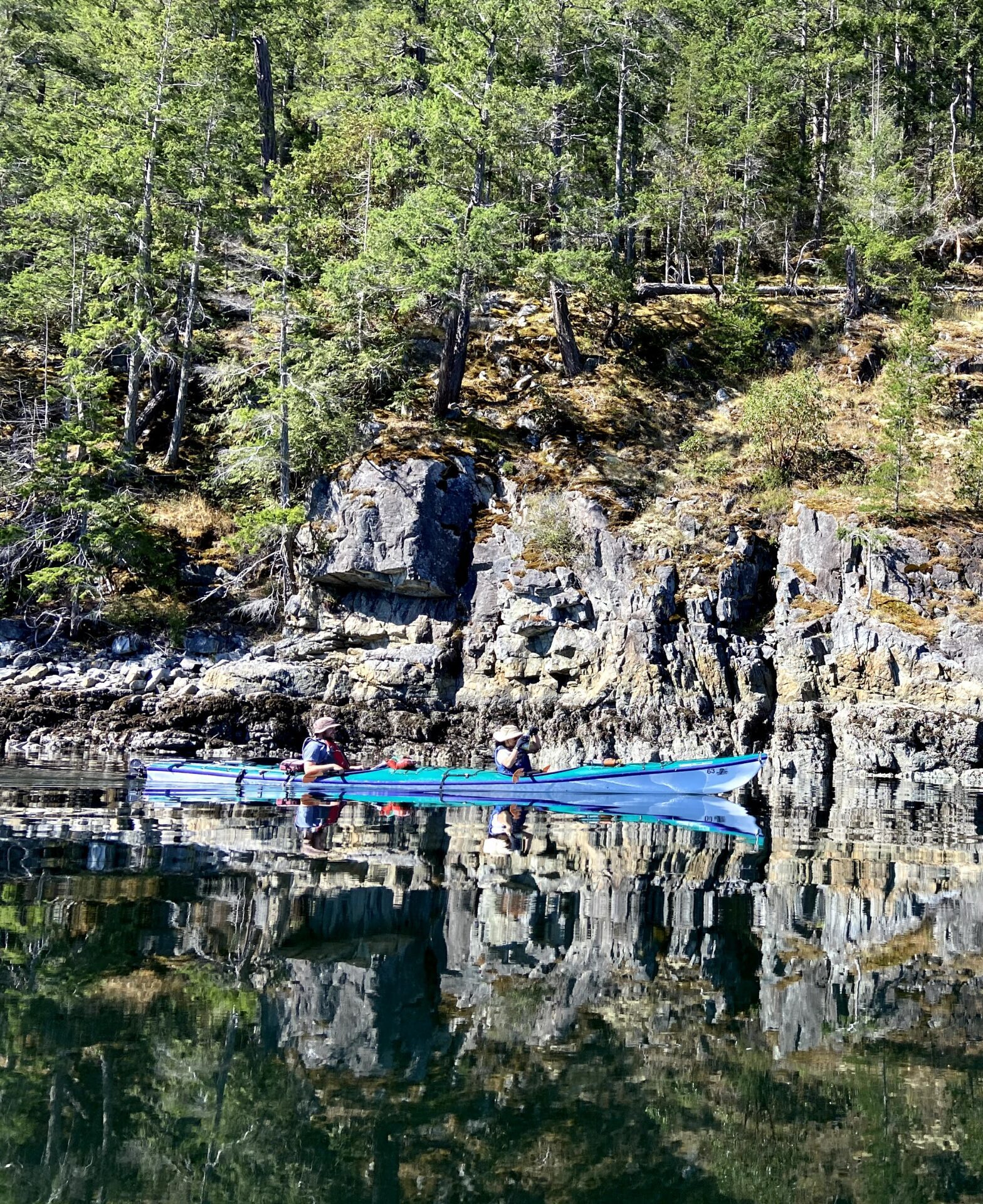
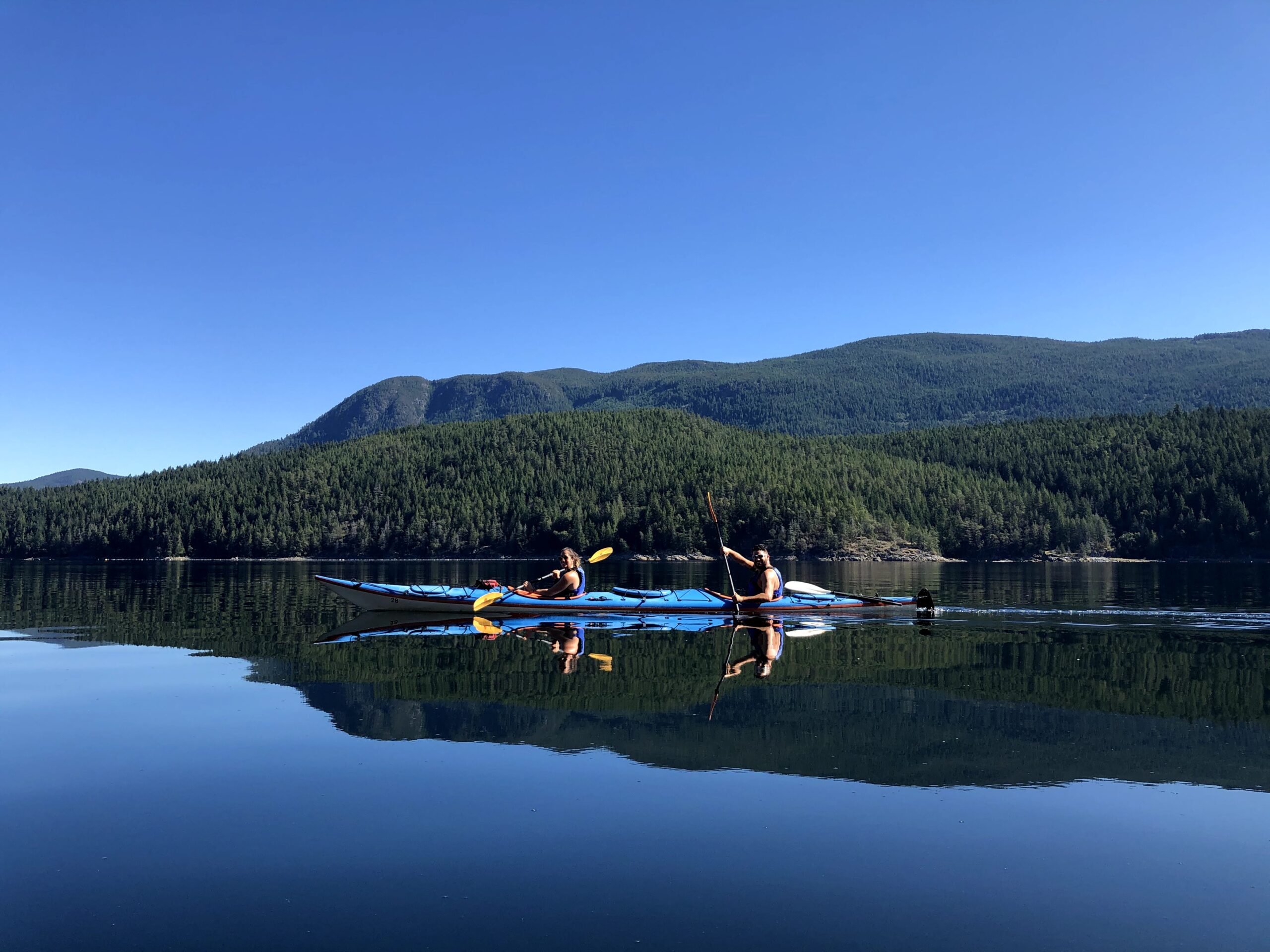
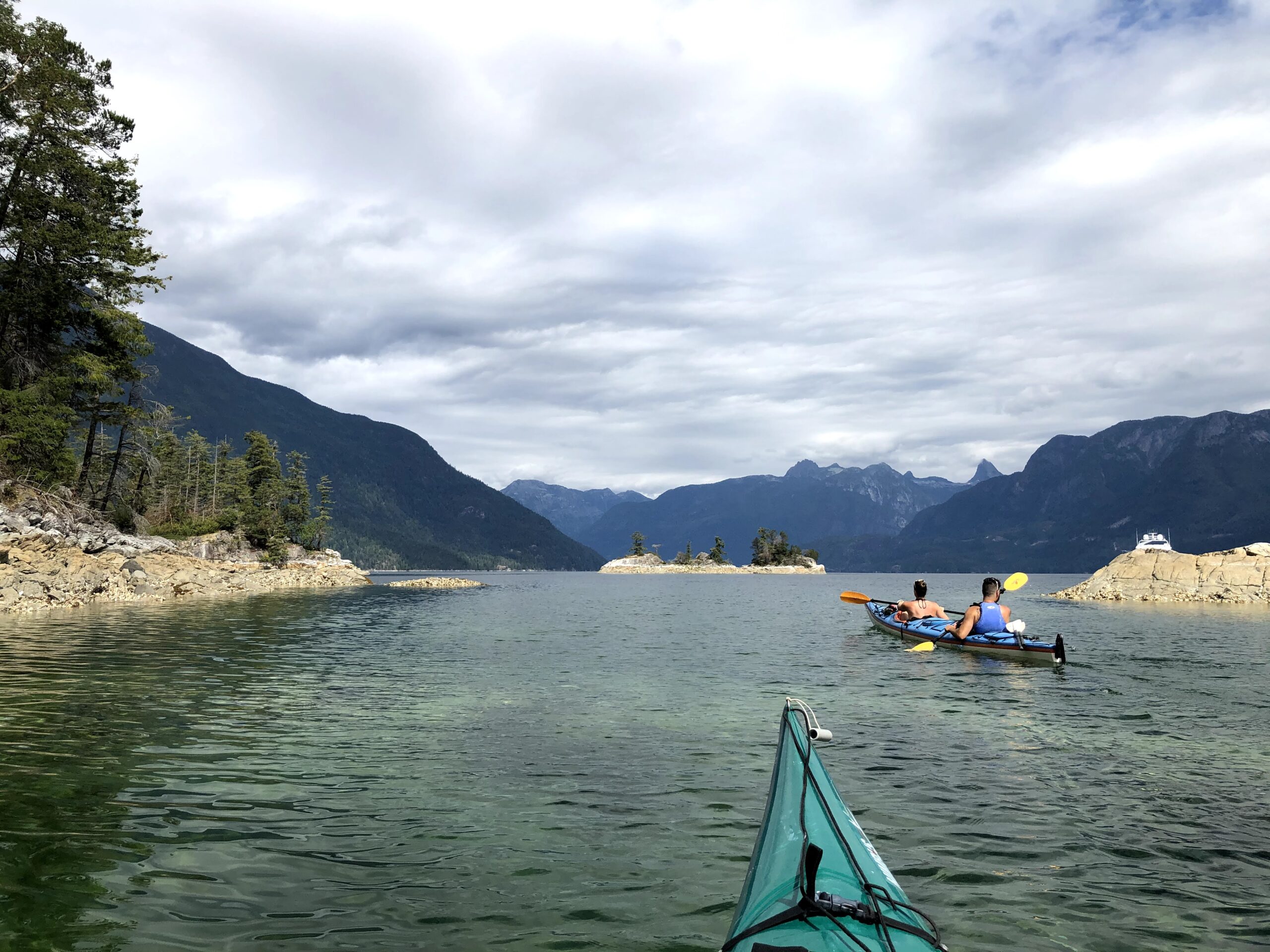
We headed out to sea and our goal for the day was to cover 19km to South Curme island in Desolation sound. The first part was nice paddling in the Malaspina Inlet. Be aware of strong currents near Josephine Island! We then stopped and had a delicious lunch break near harepoint before heading to open waters.
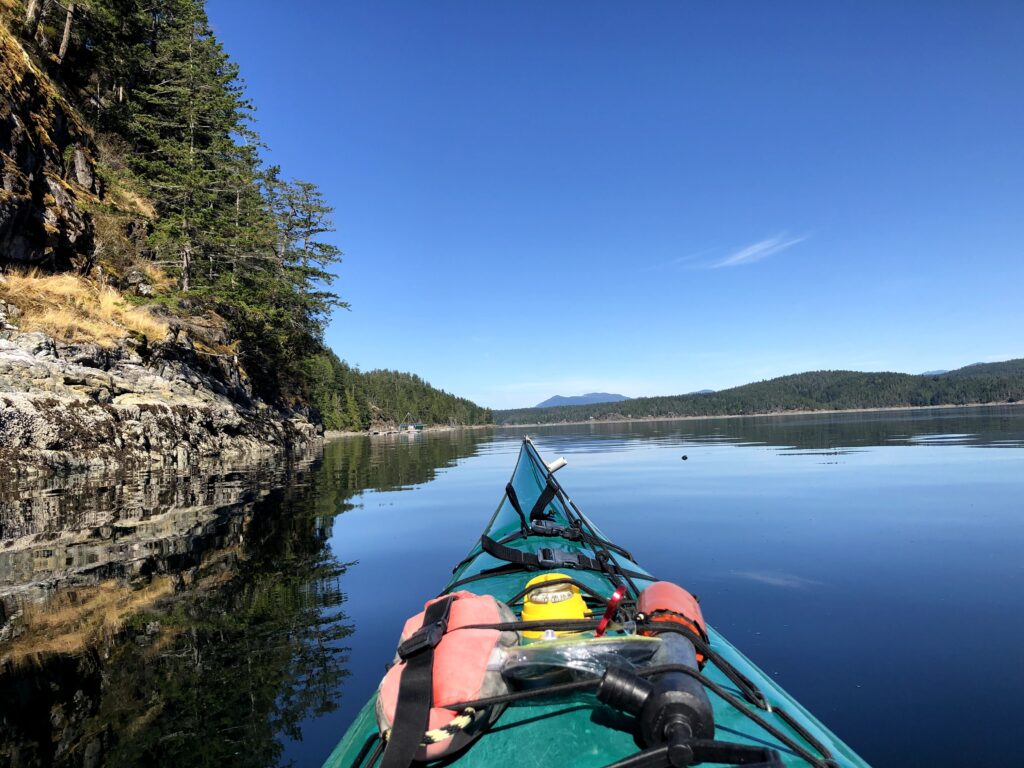
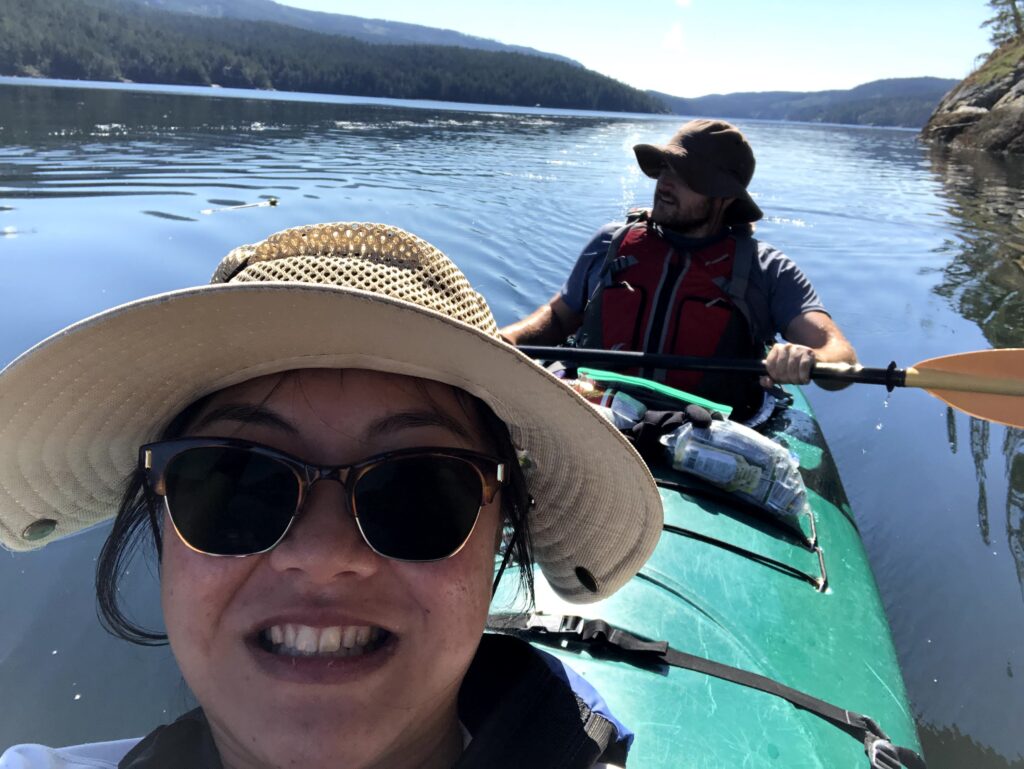
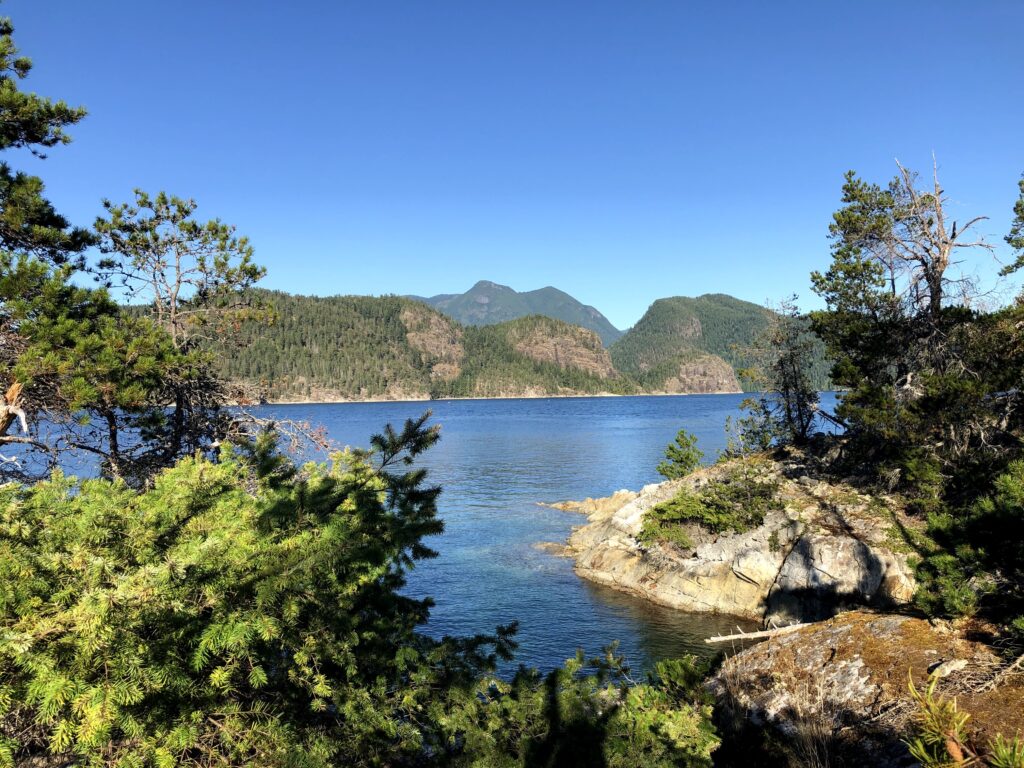
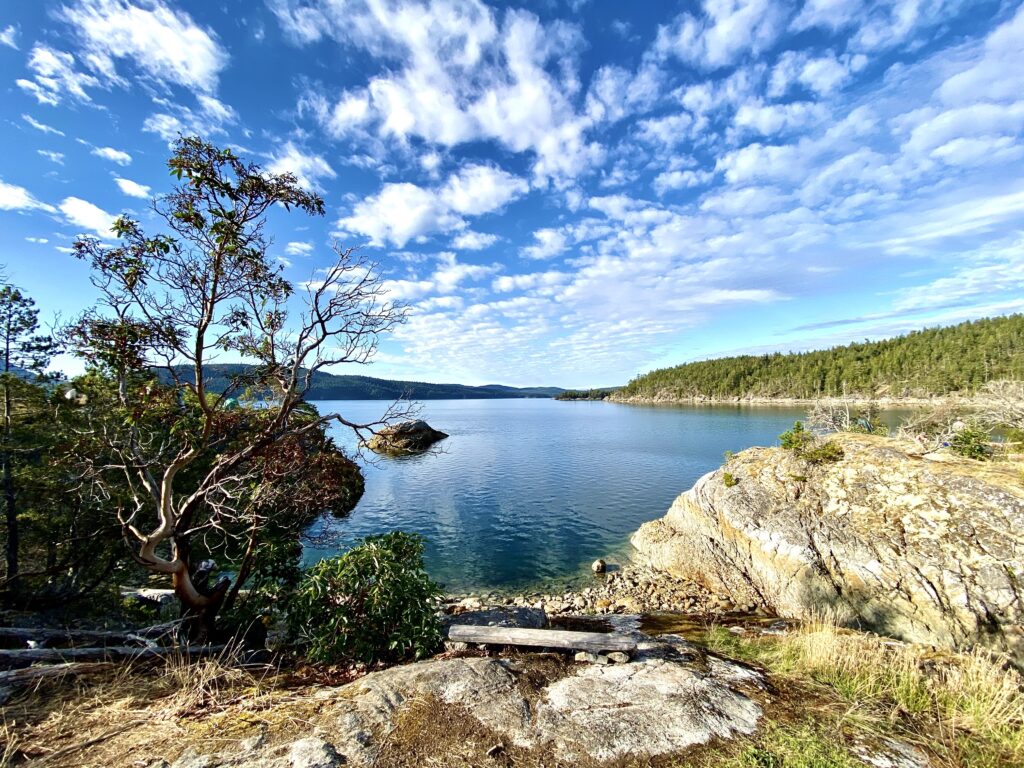
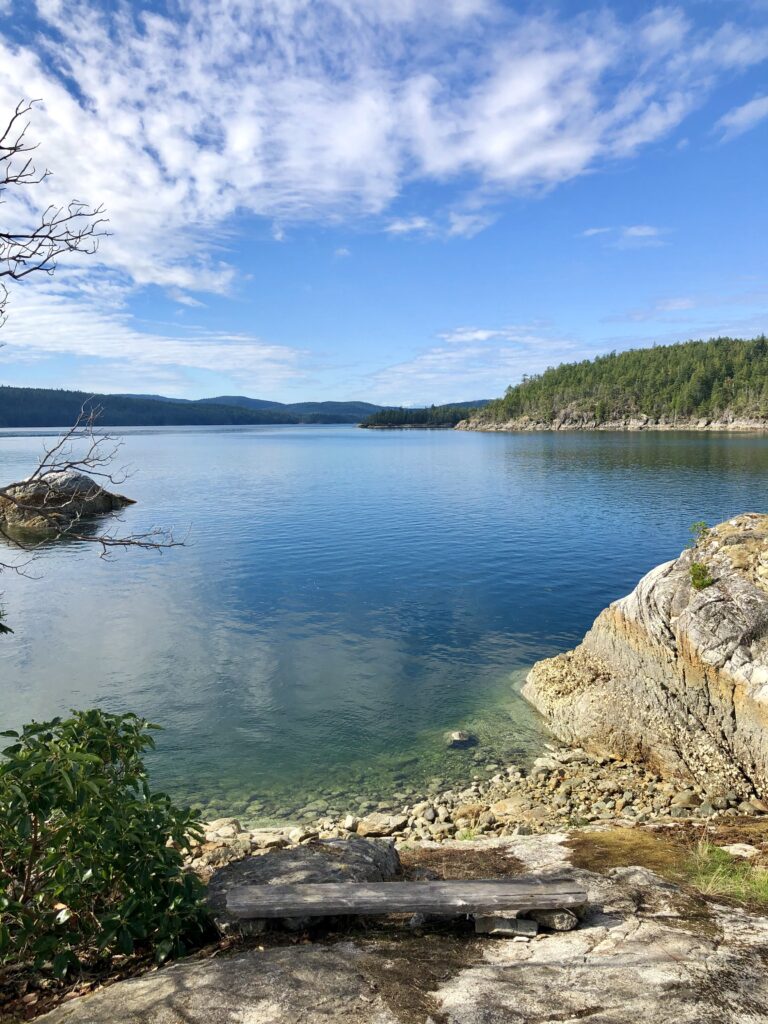
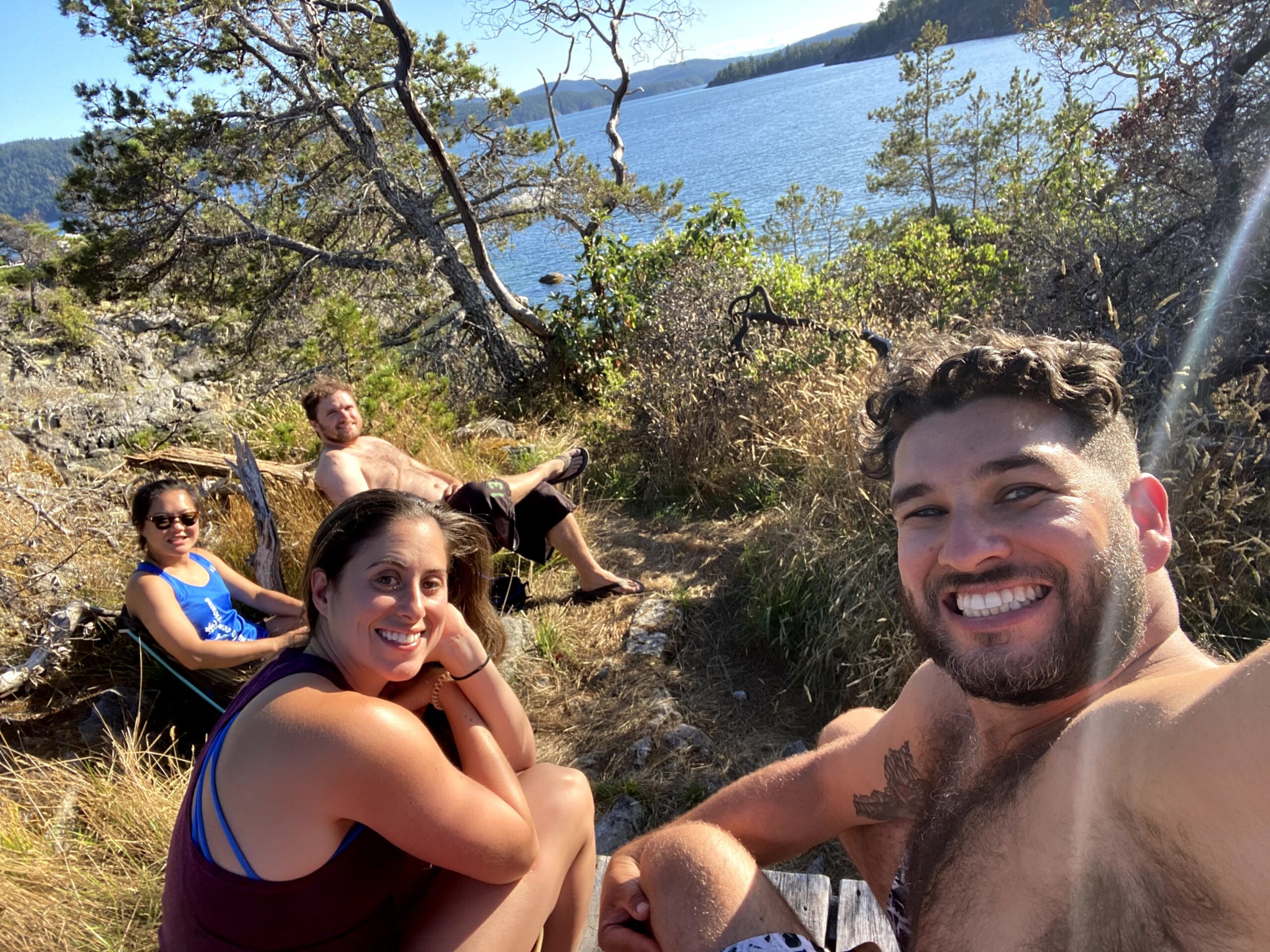
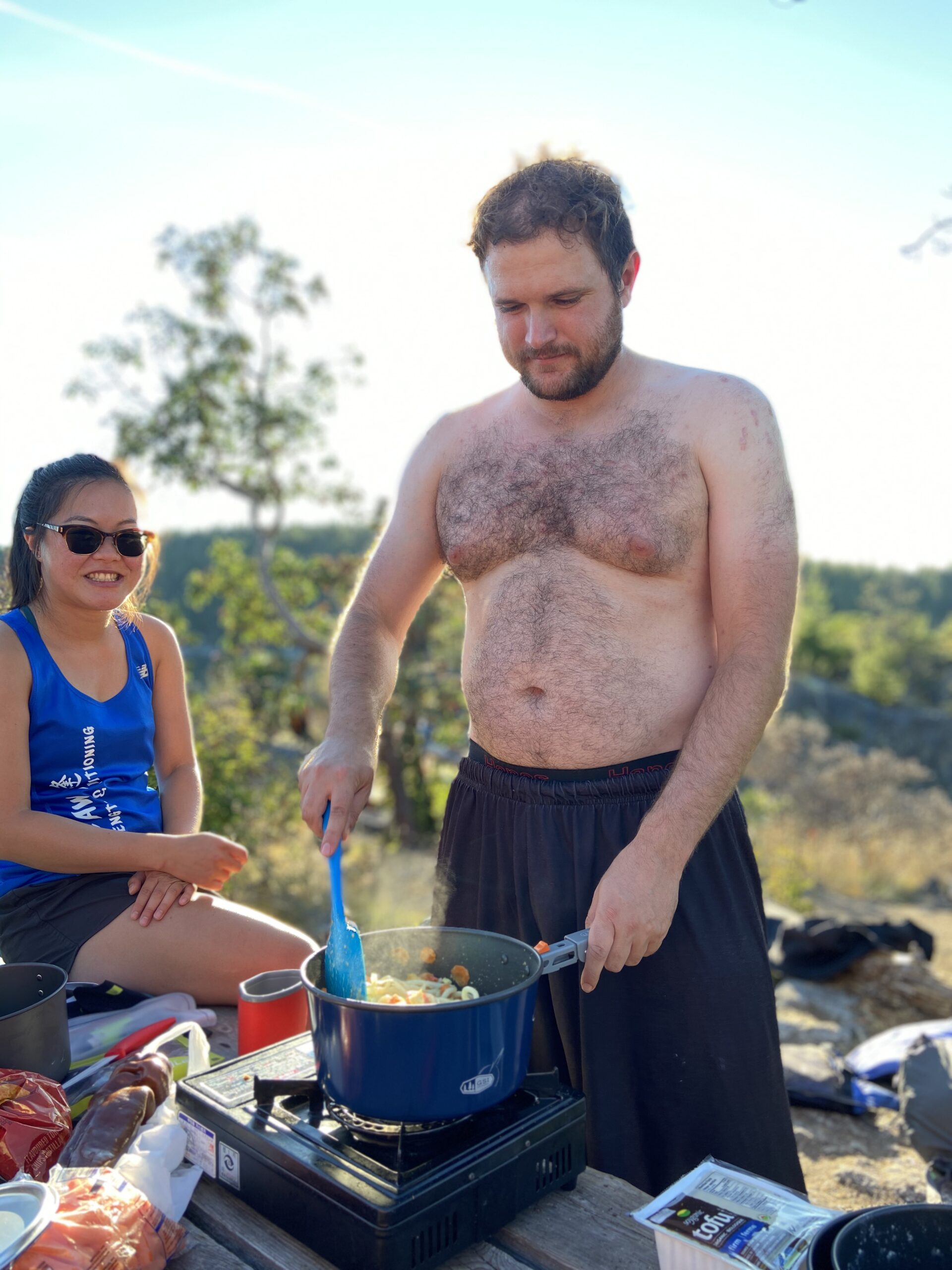
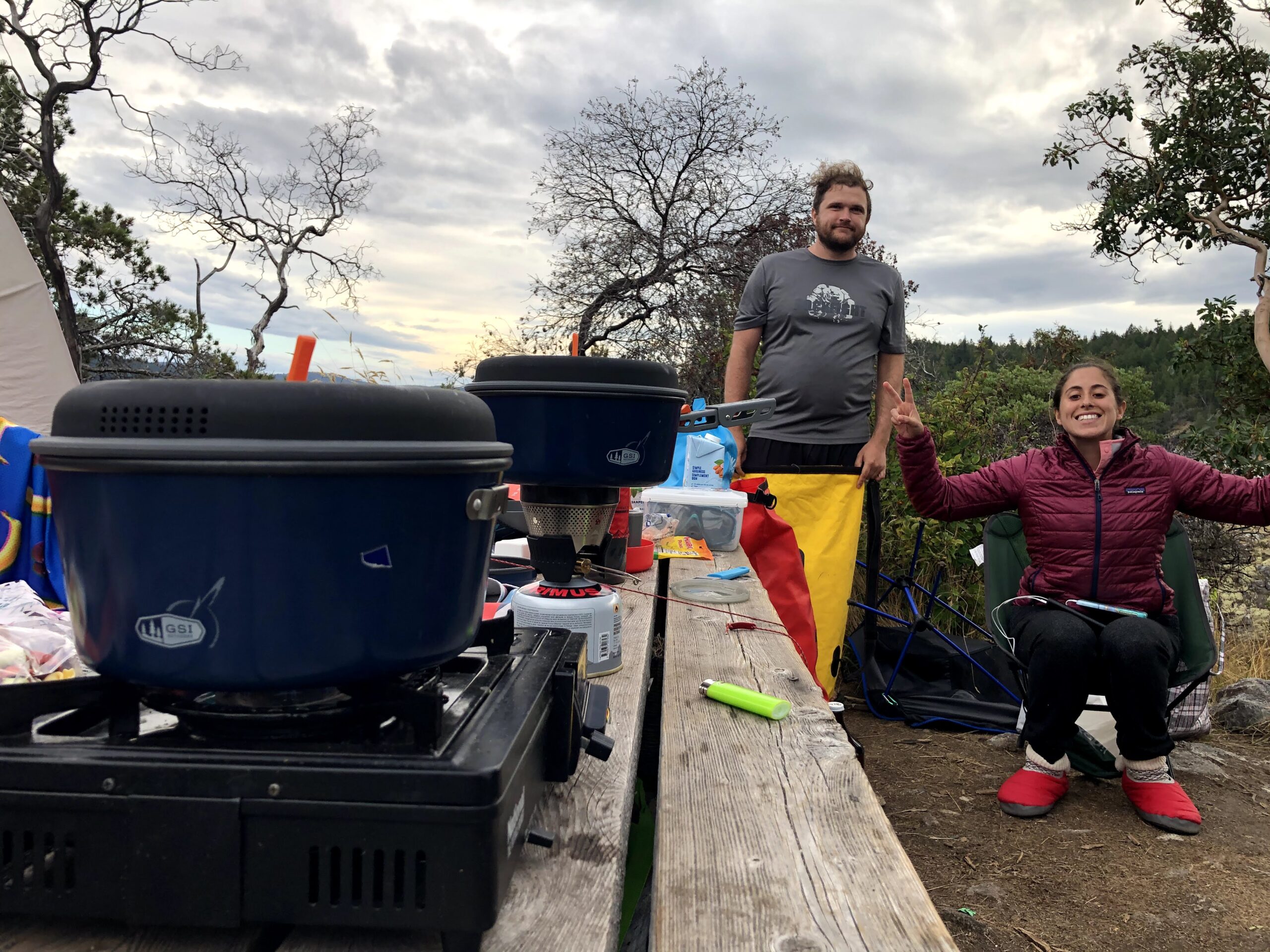
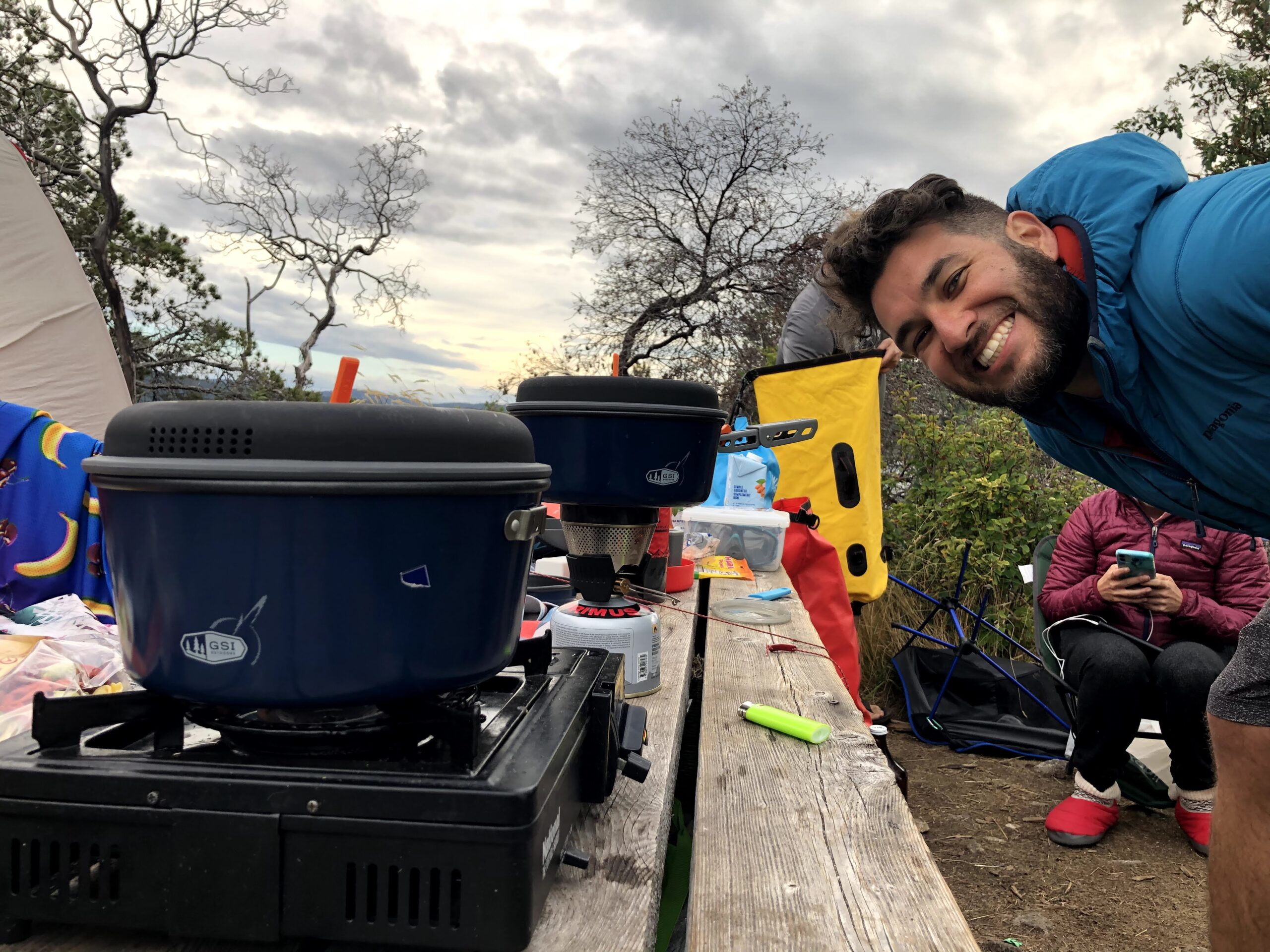
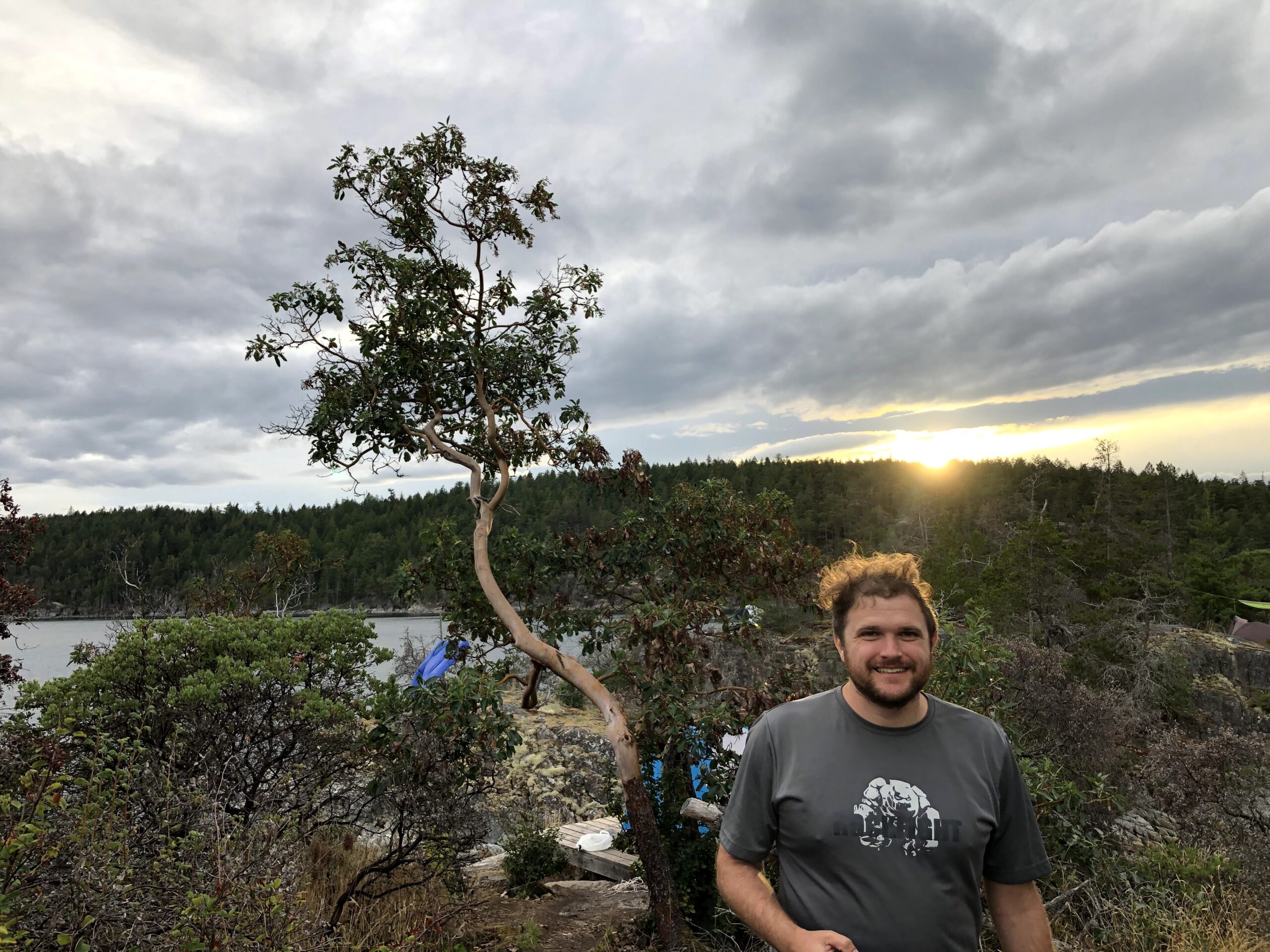
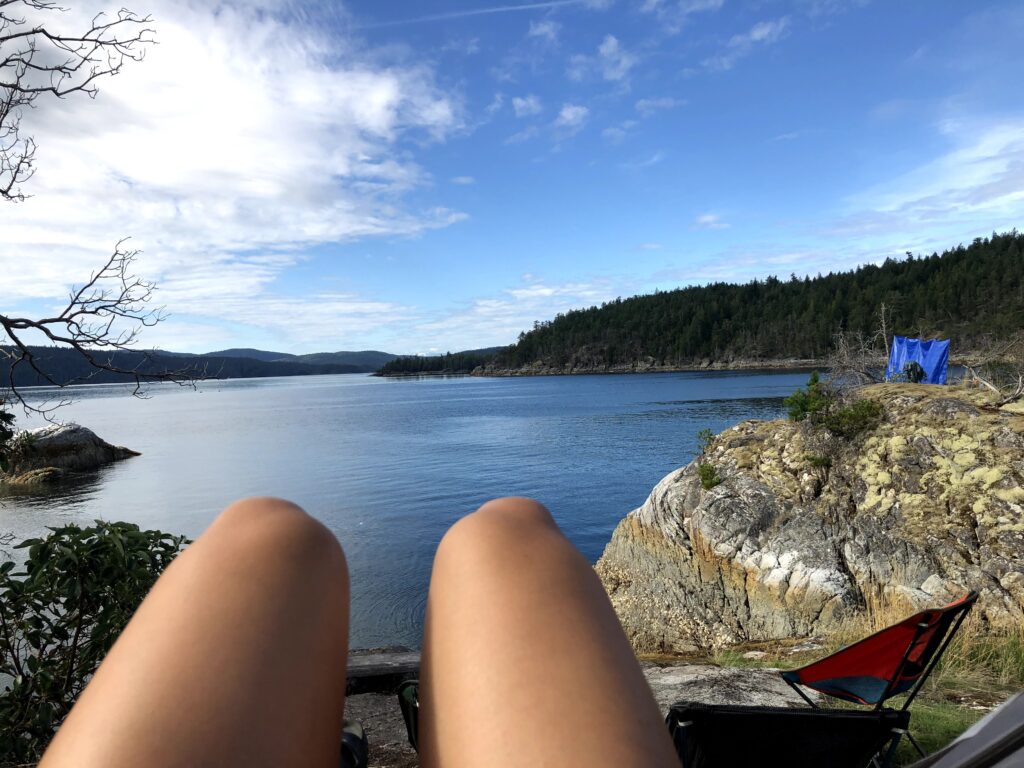
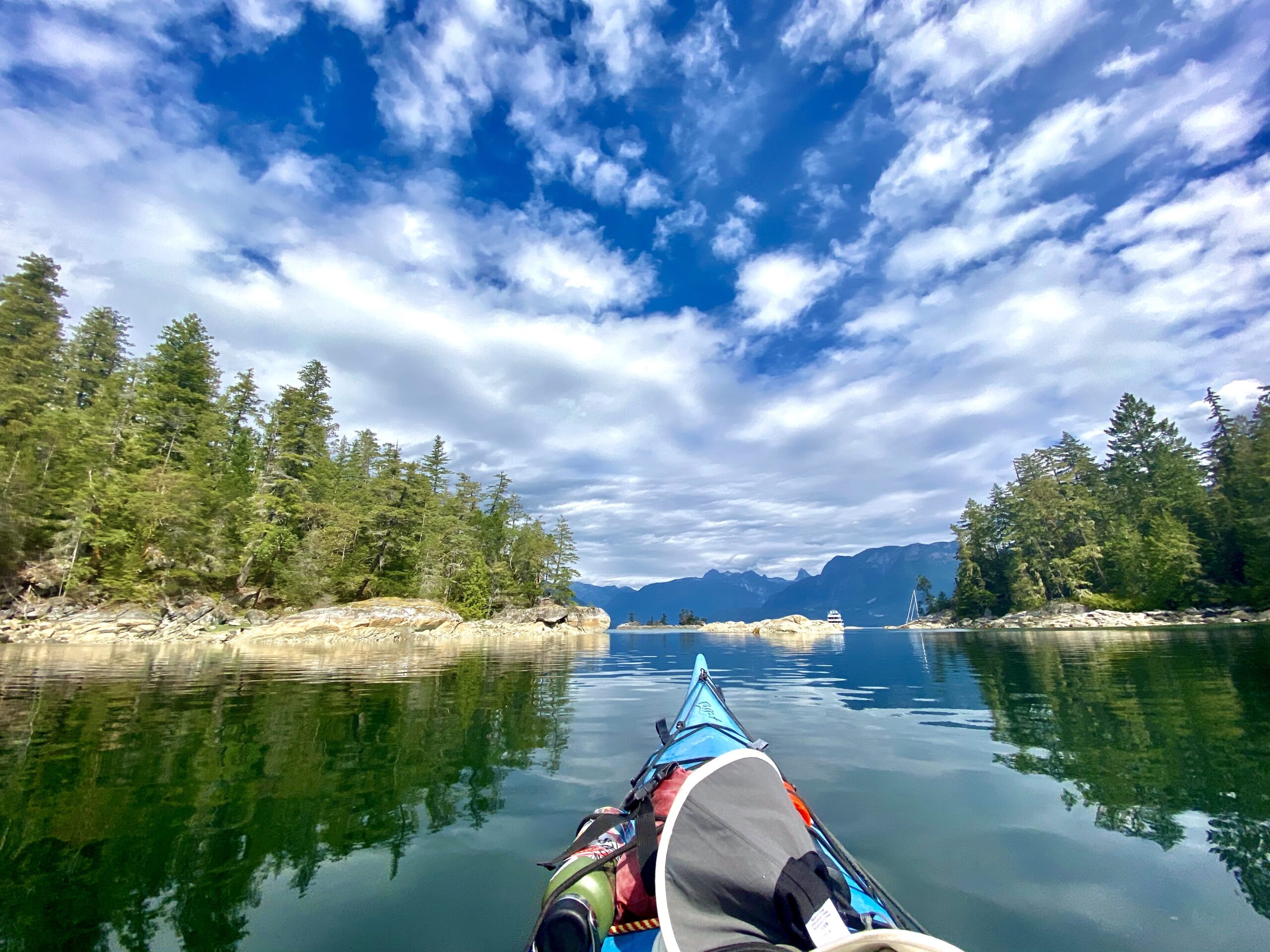
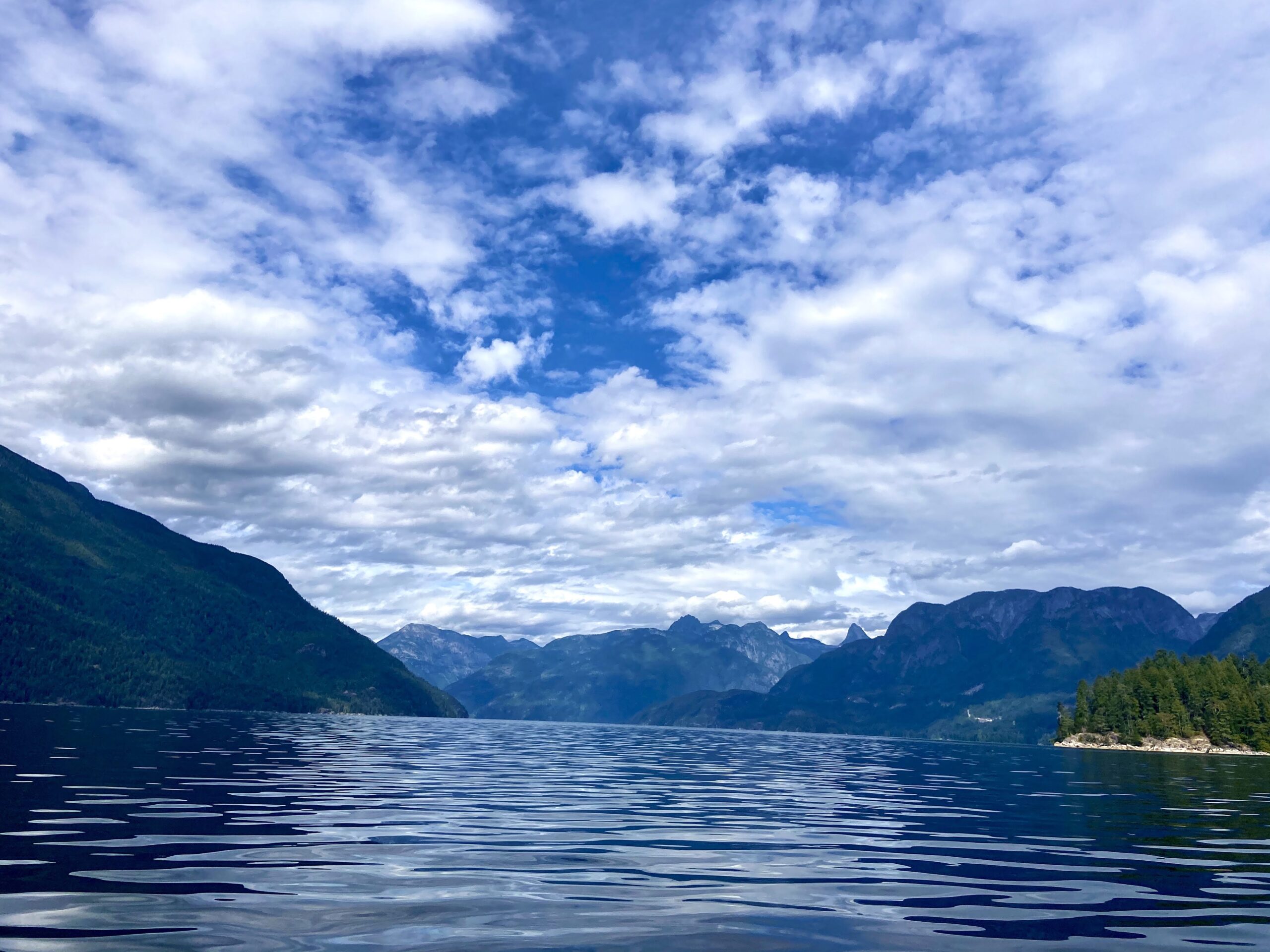
After about 2 hours we finally reached our destination, South Curme Island, our base camp for the duration of the trip. There is a reason why everyone stays on Curme Island. The views are spectacular and it is very central. The water was tropical and our friends even brought their snorkel to explore the abundant sea life.
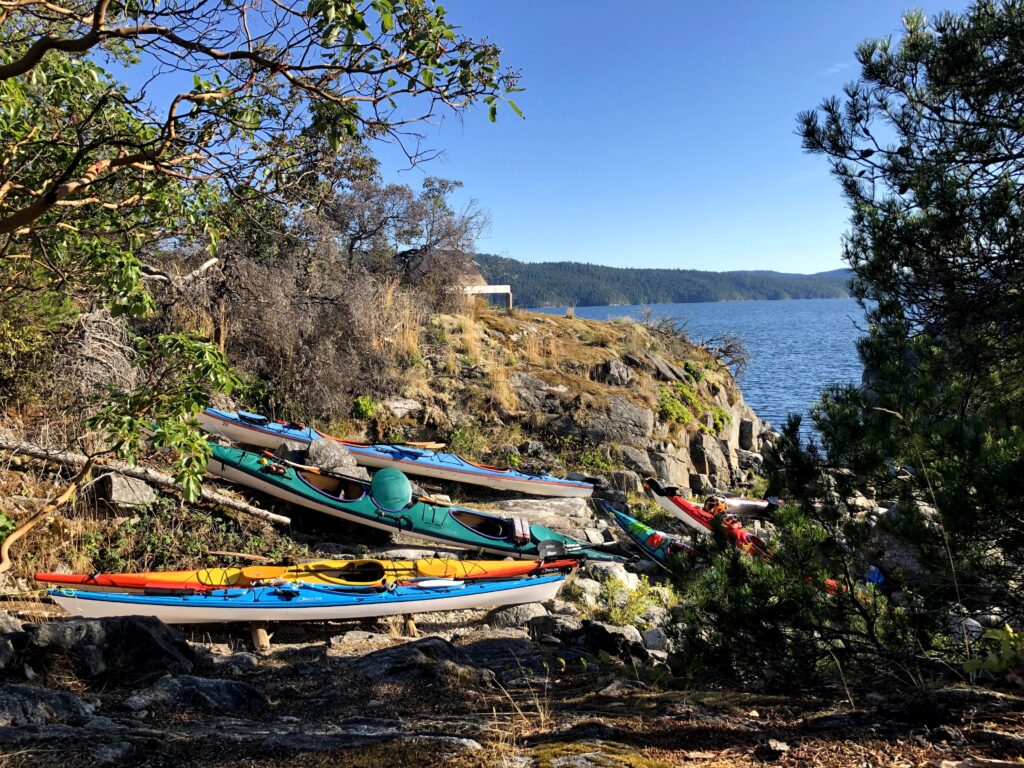
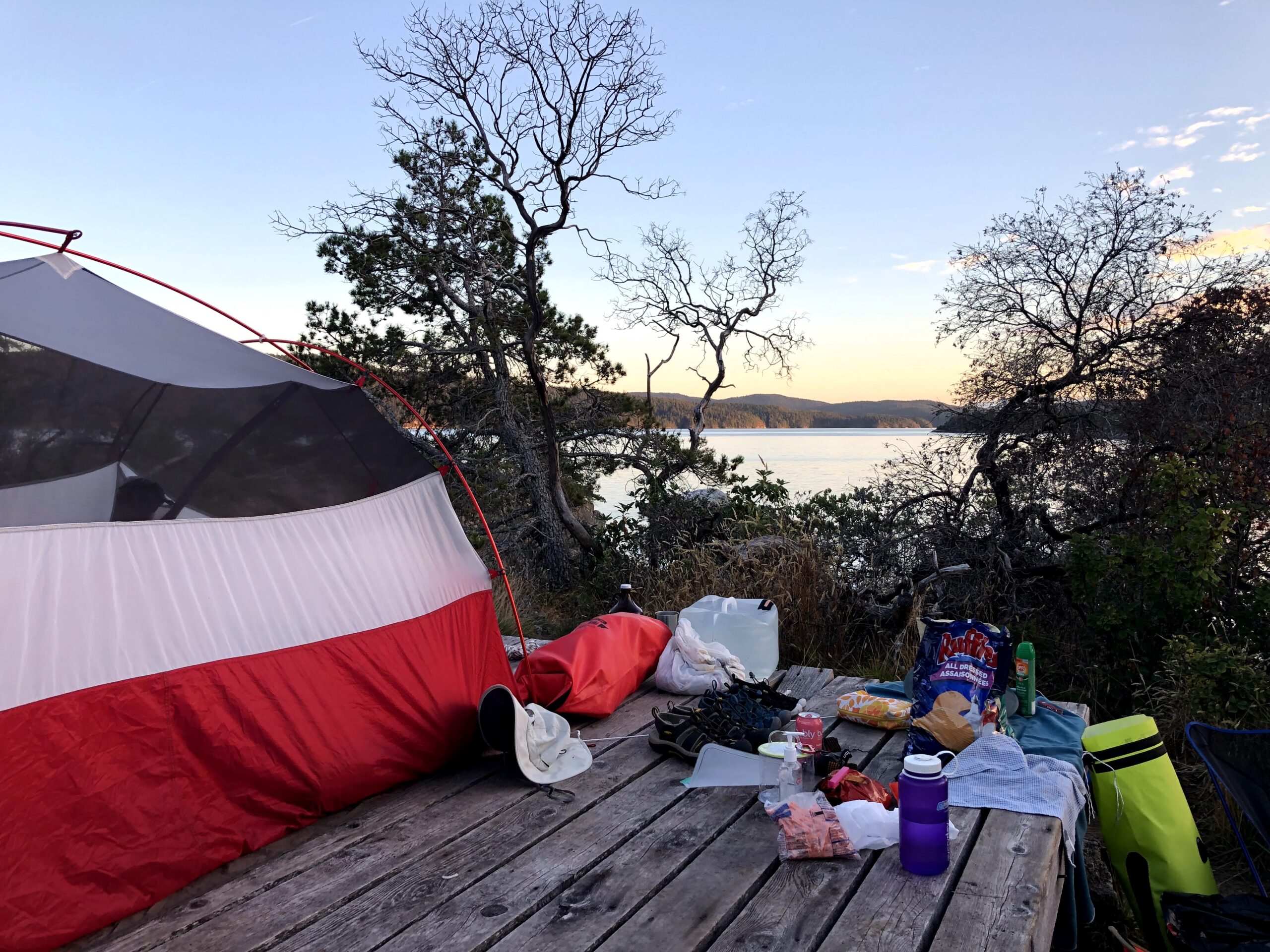
August 28
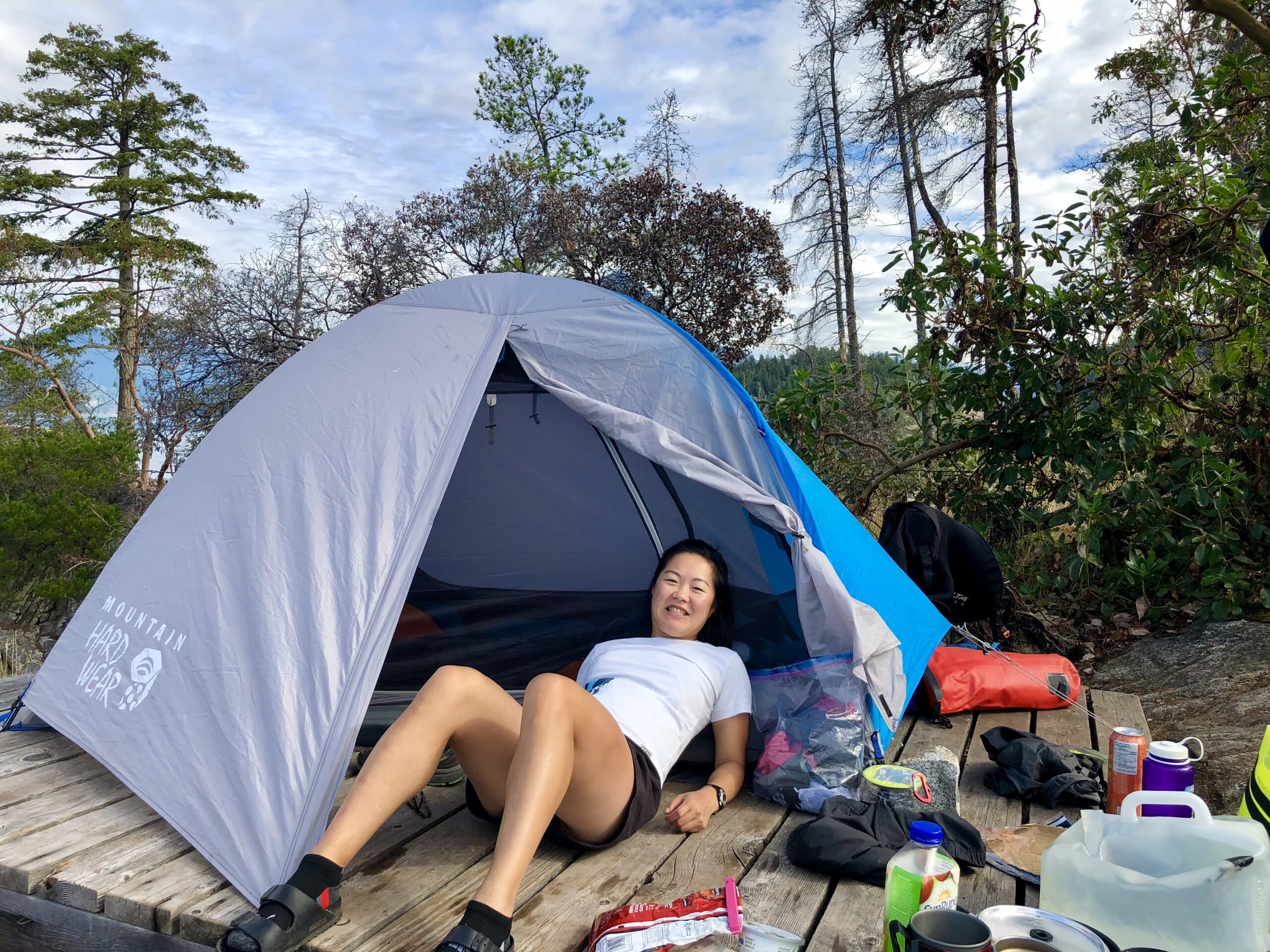
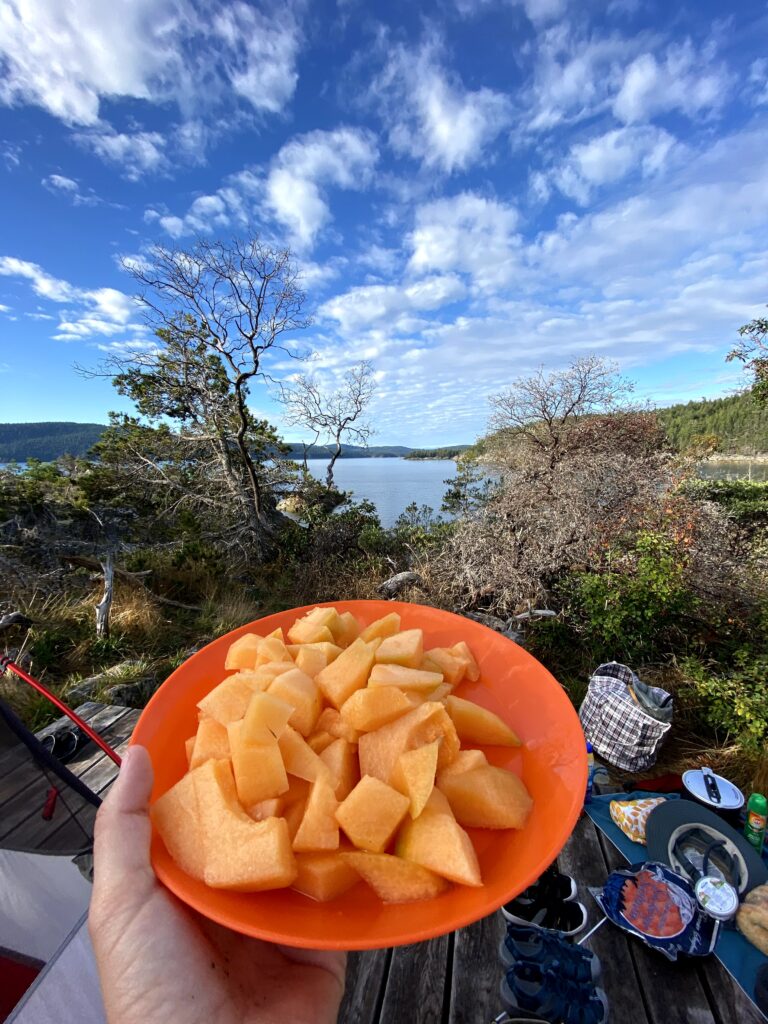
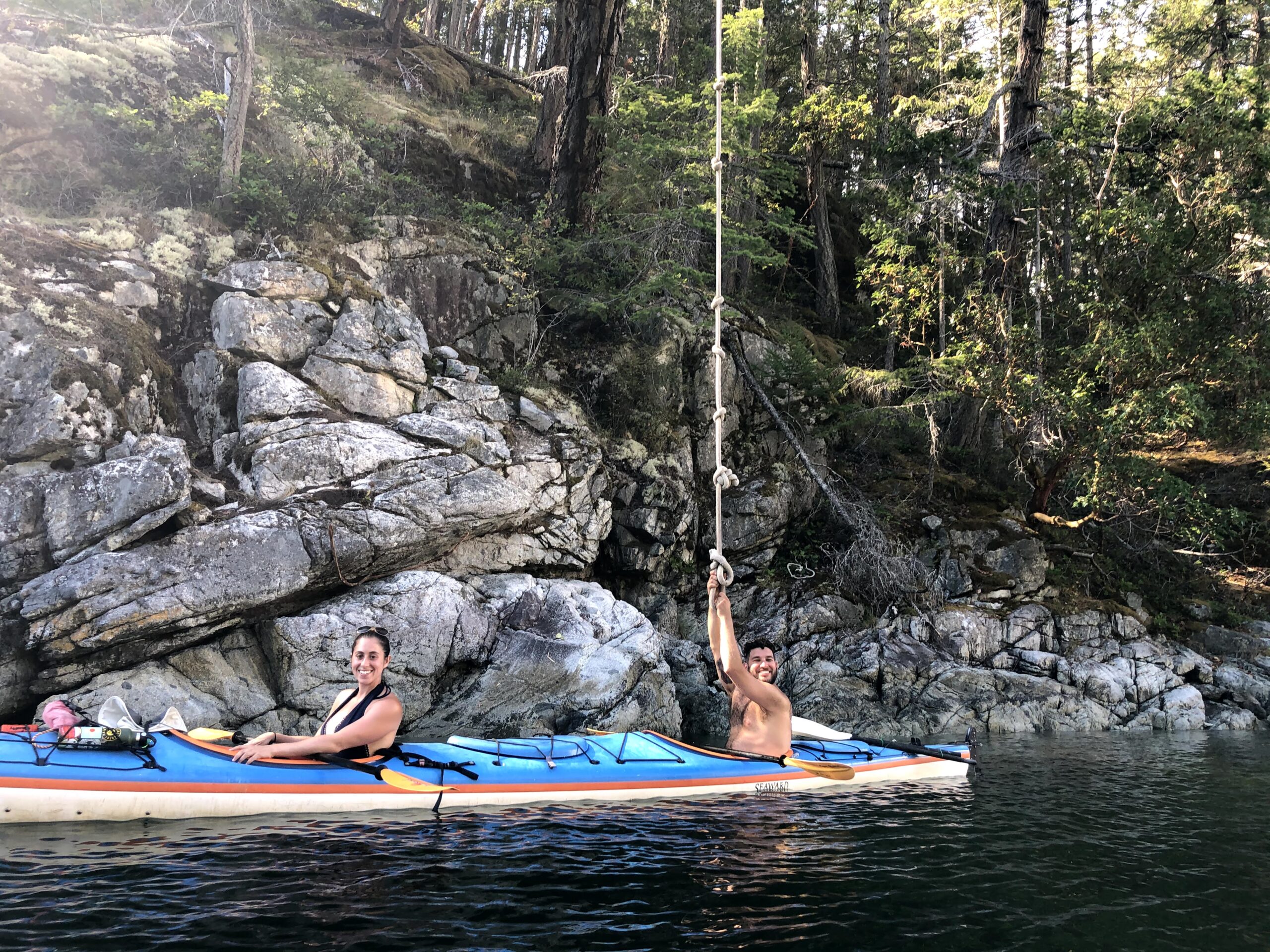
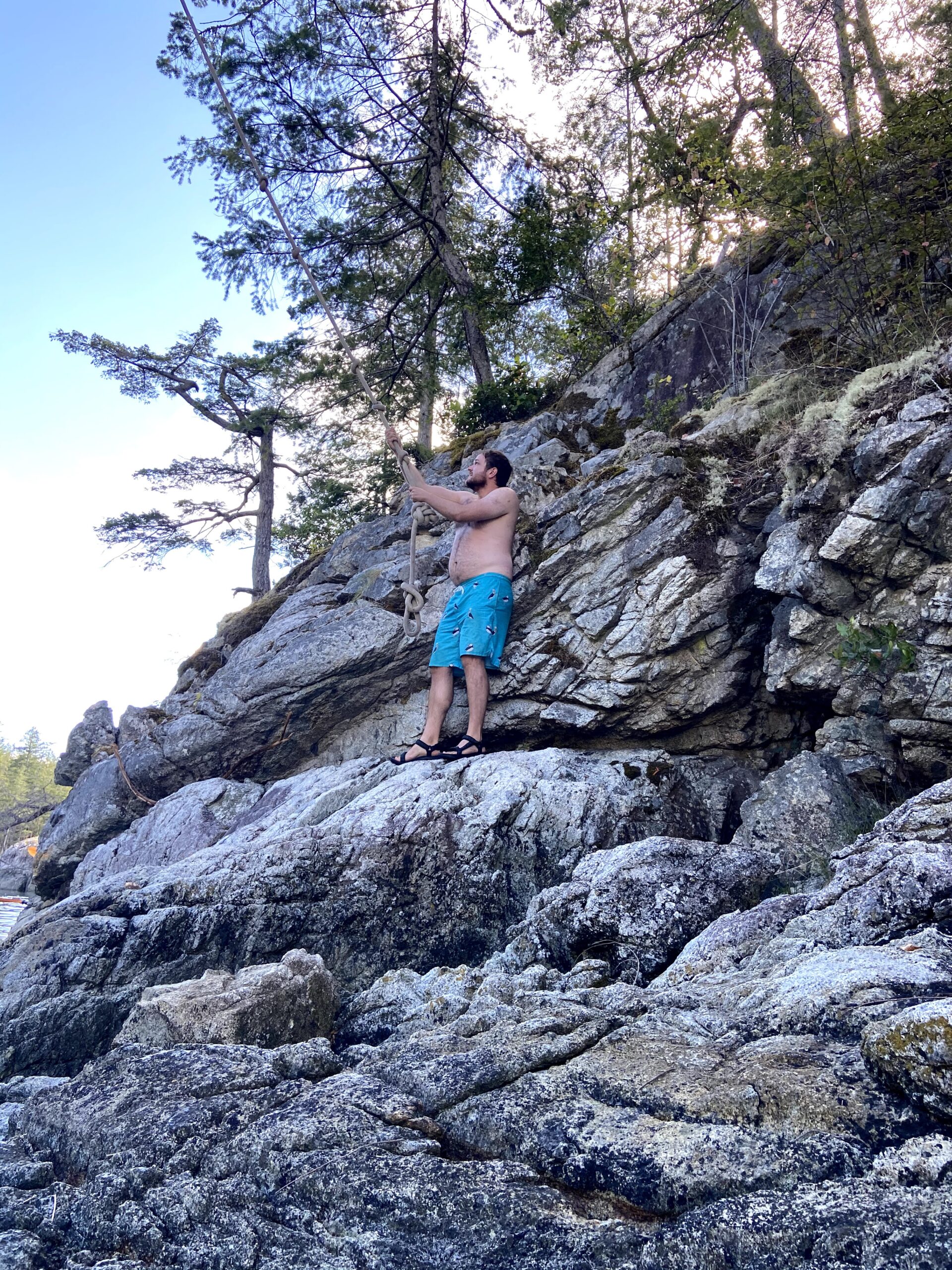
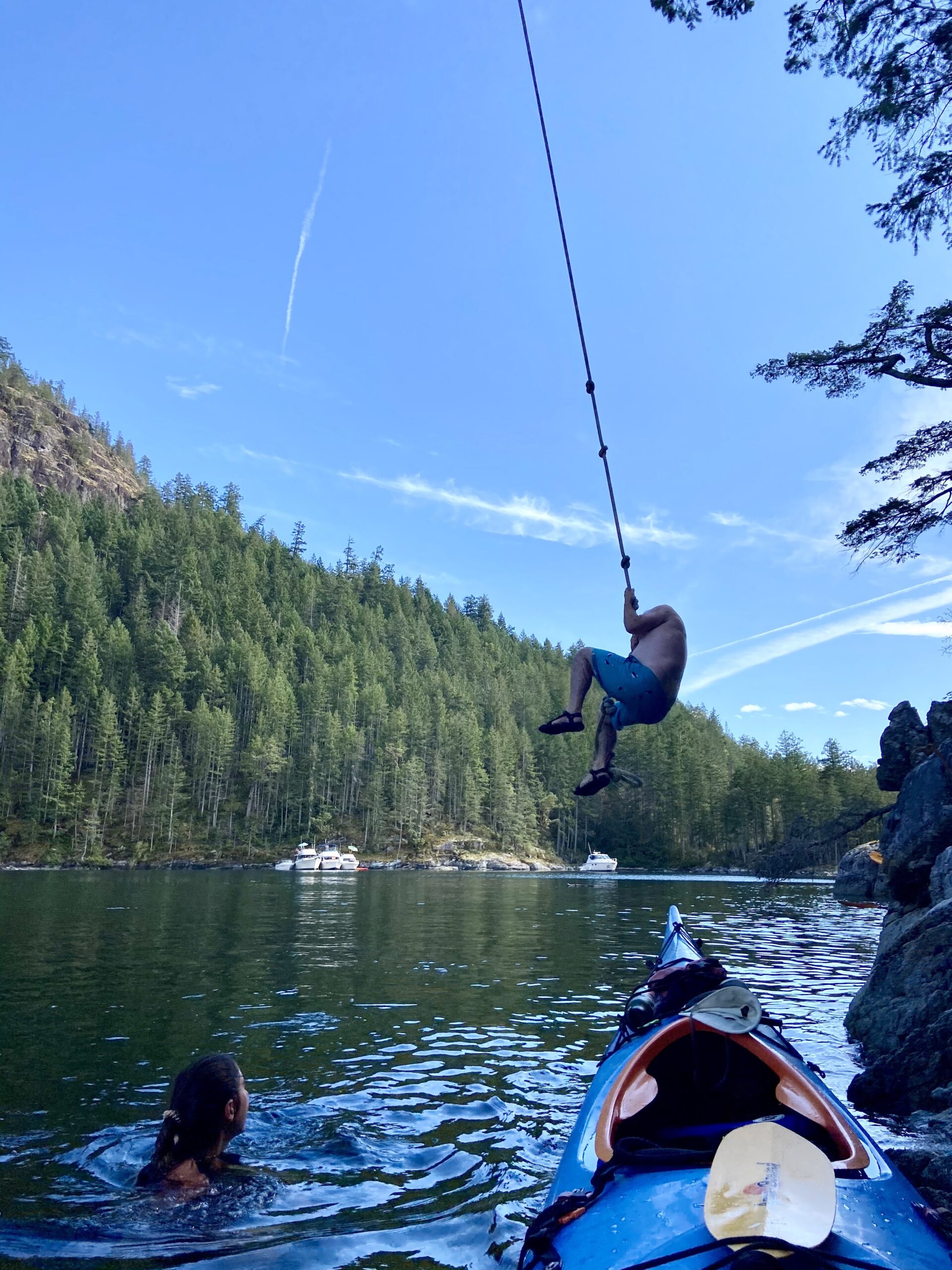
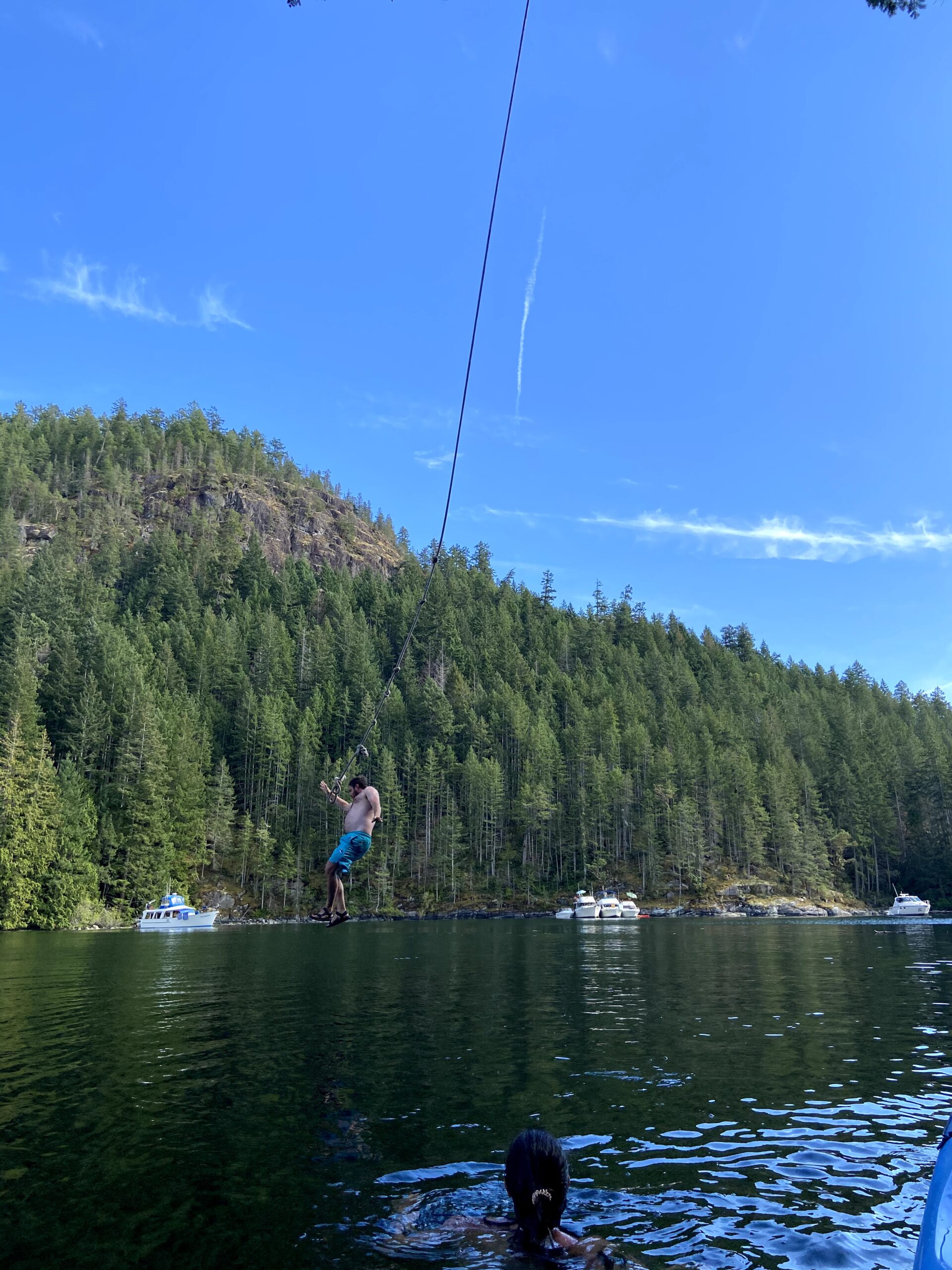
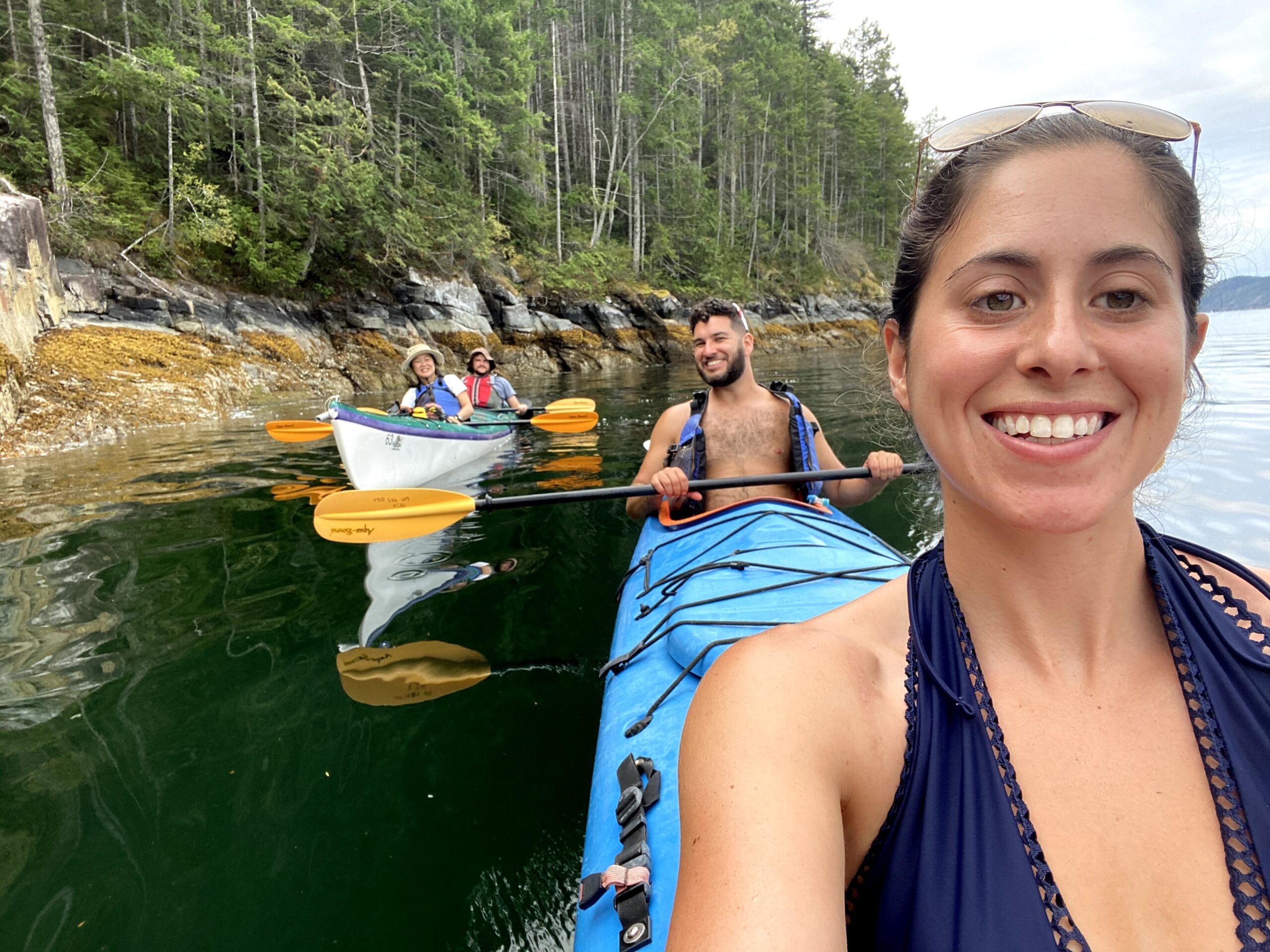
After a delicious breakfast with the sweetest cantaloupe from Blueberry Farms we headed out for a ~6km return day trip with our lunches to Prideaux Haven. Along the way we discovered a rope swing!
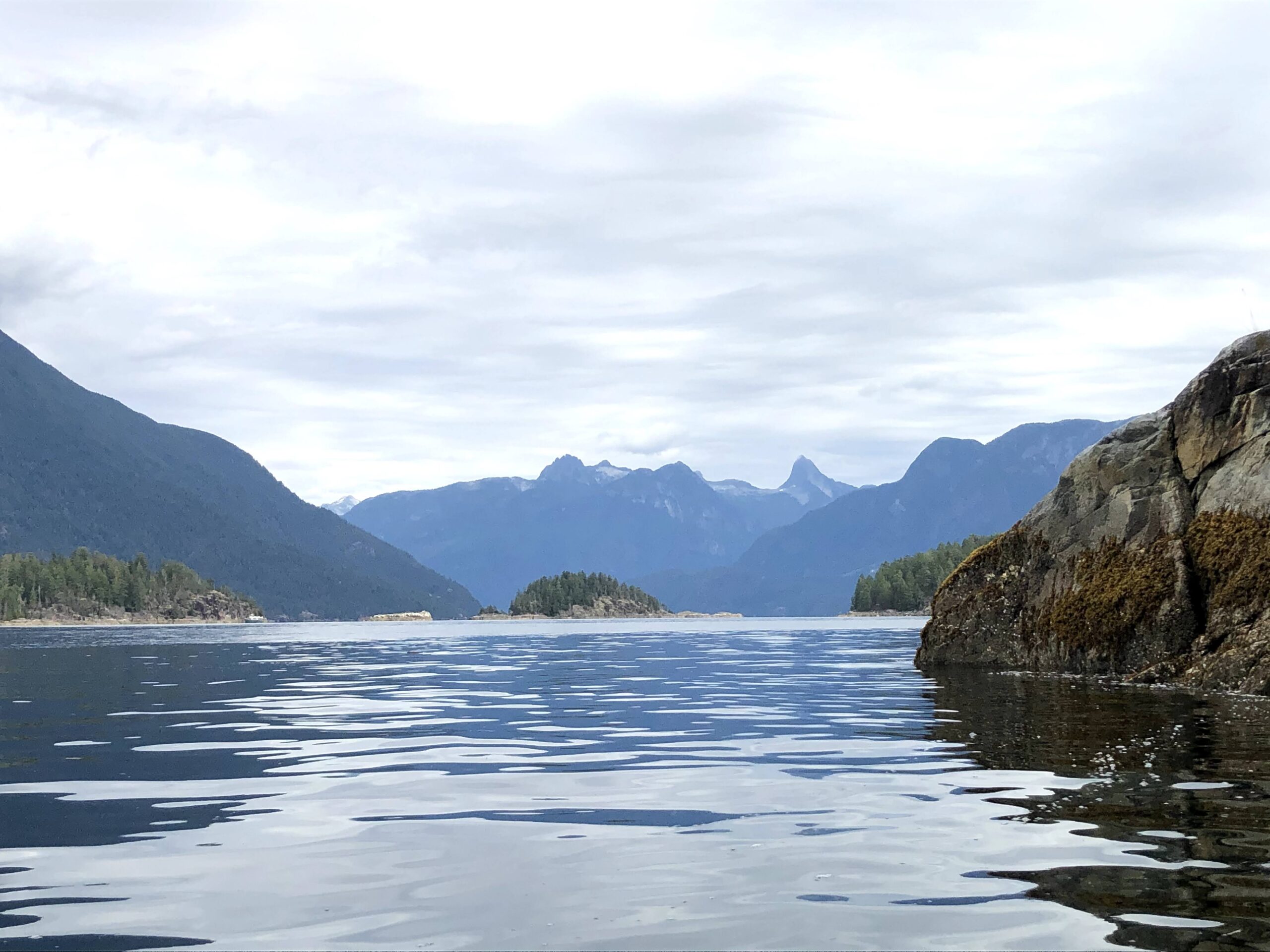
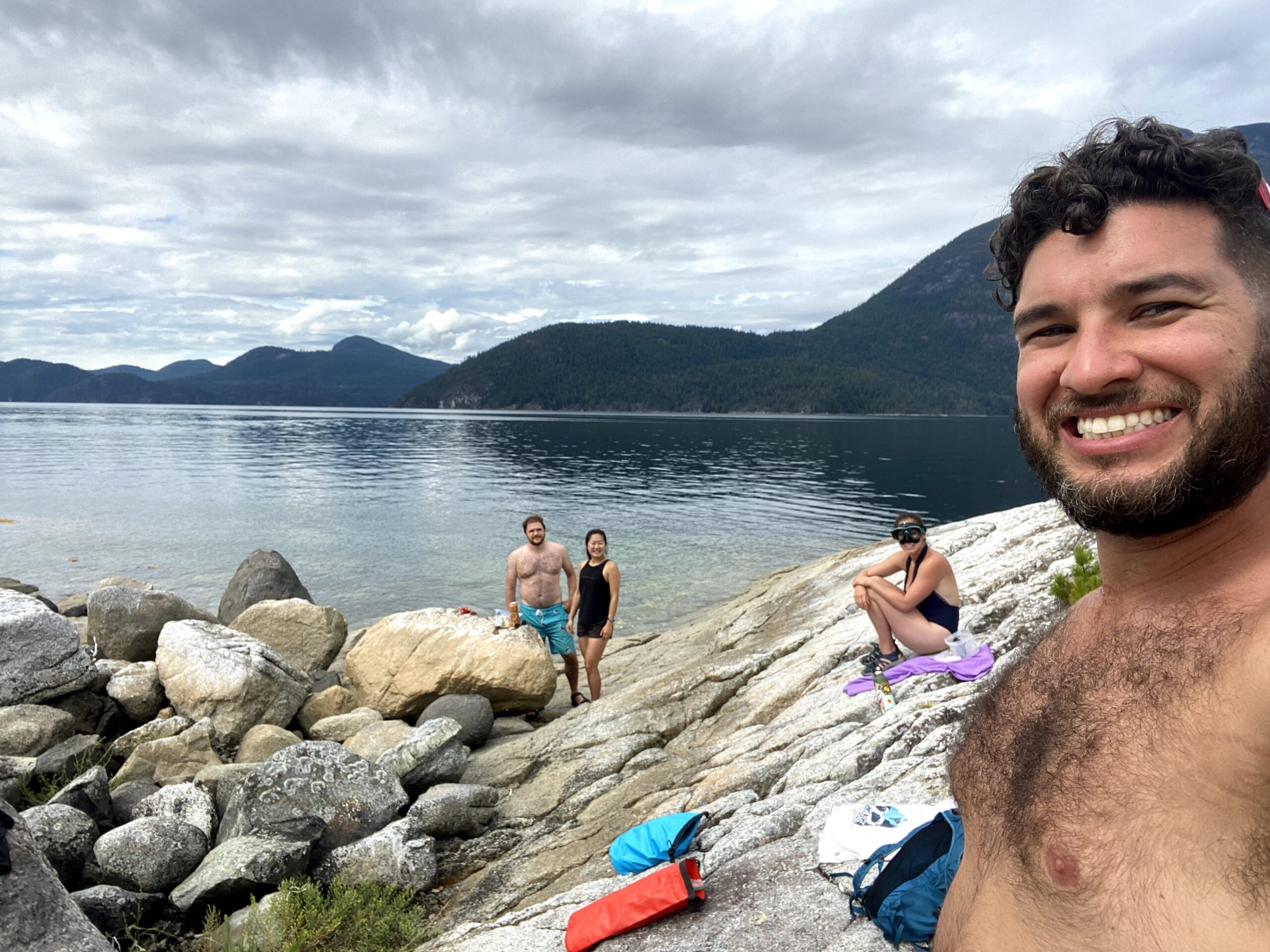
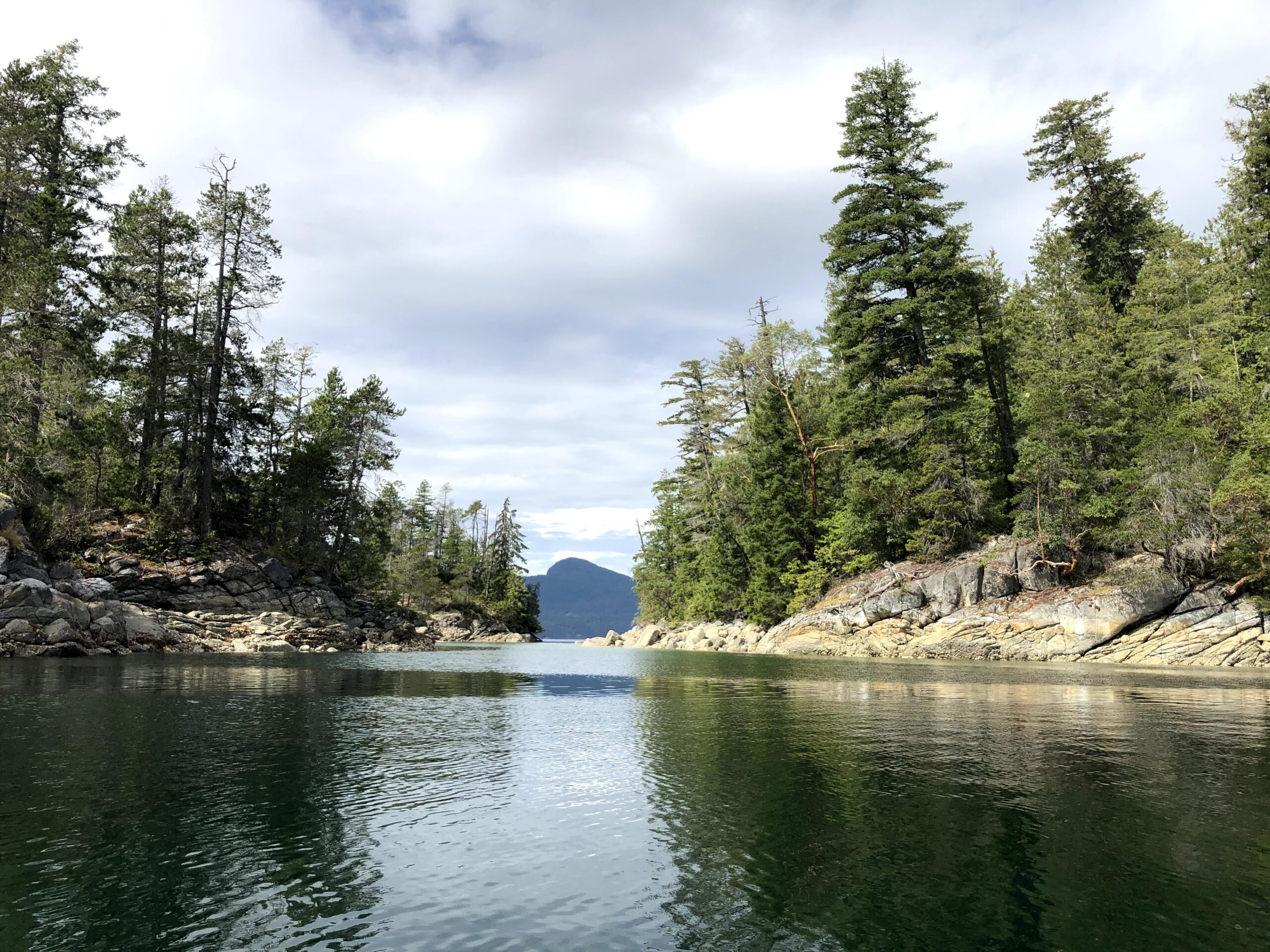
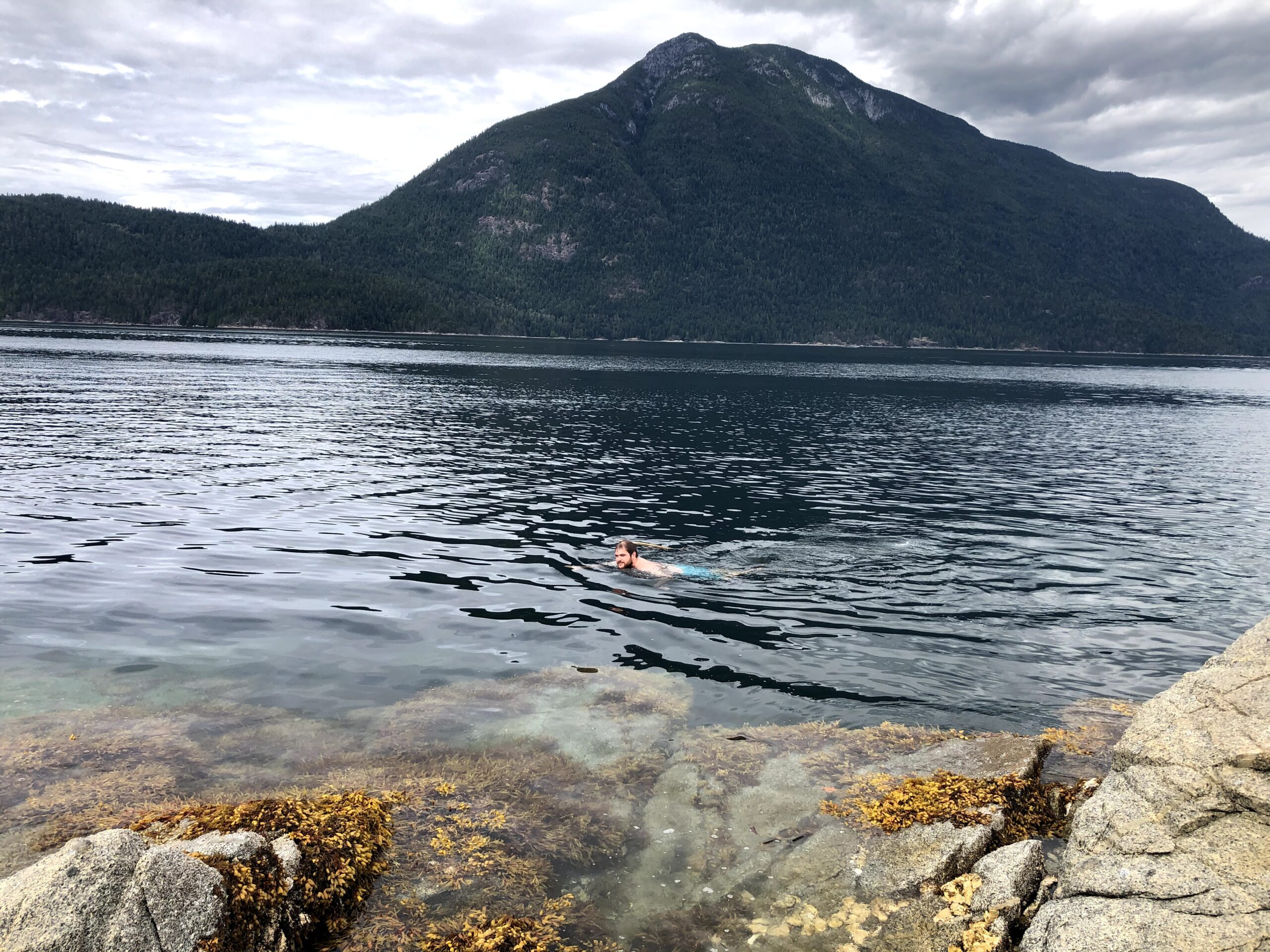
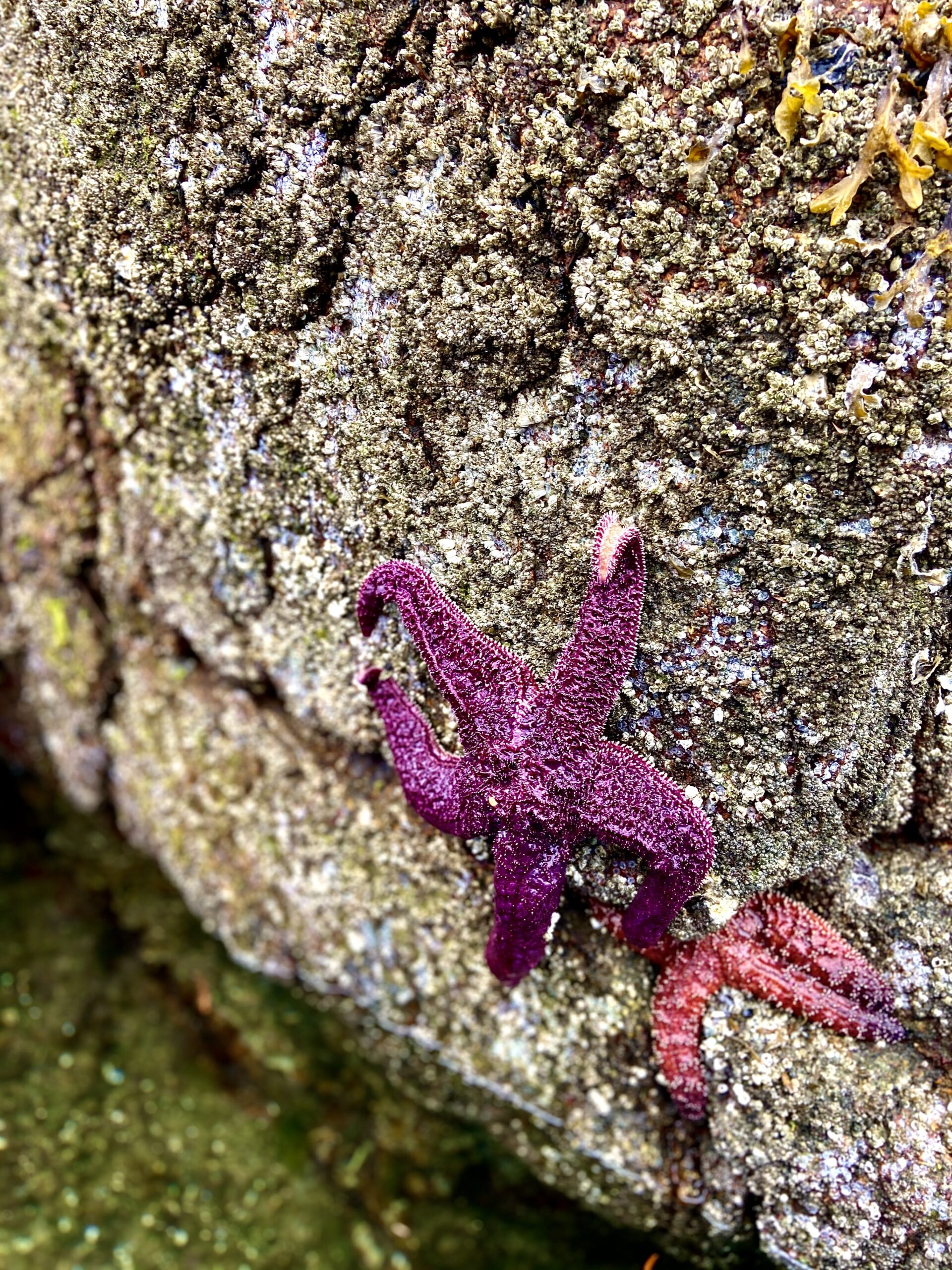
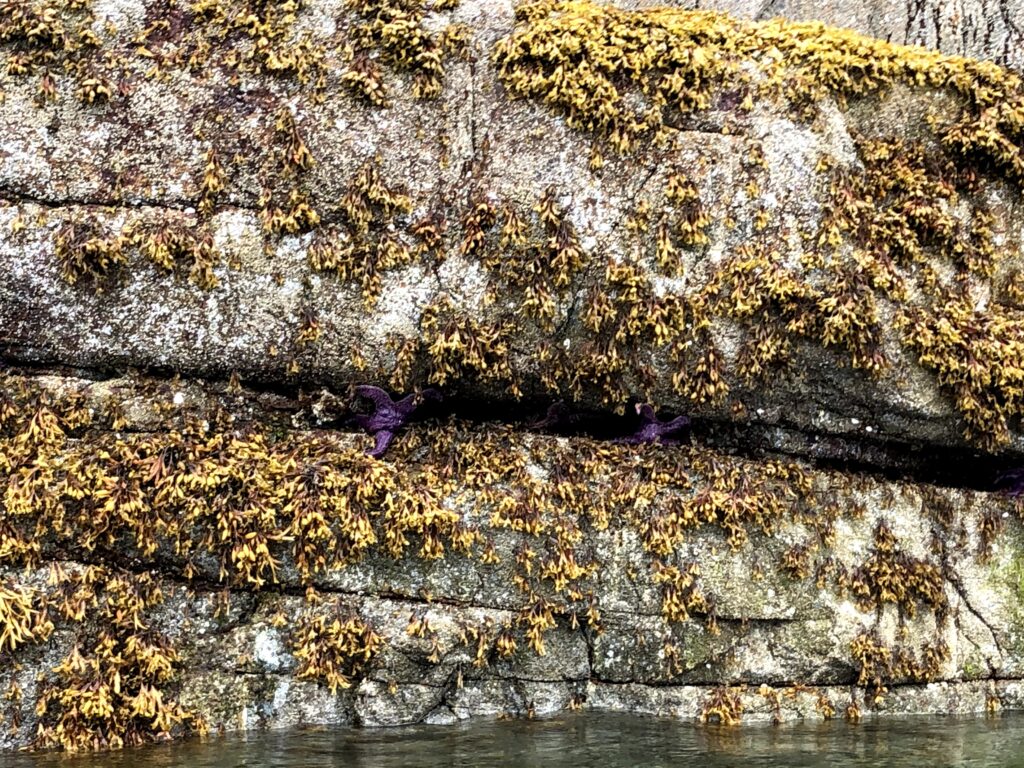
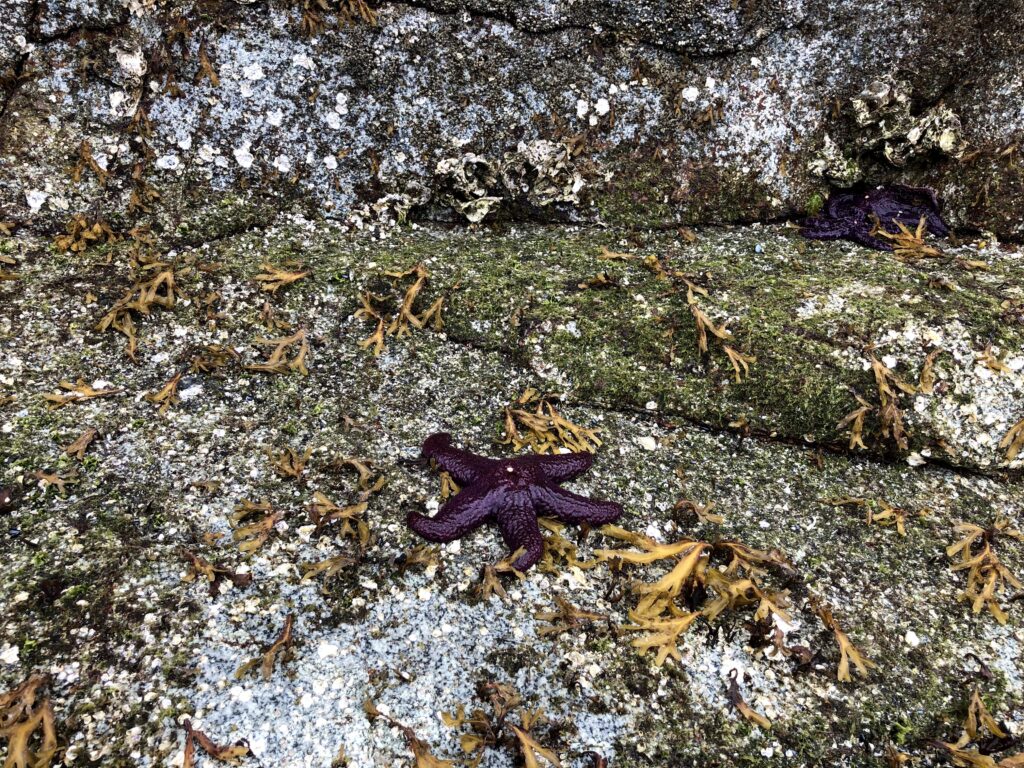
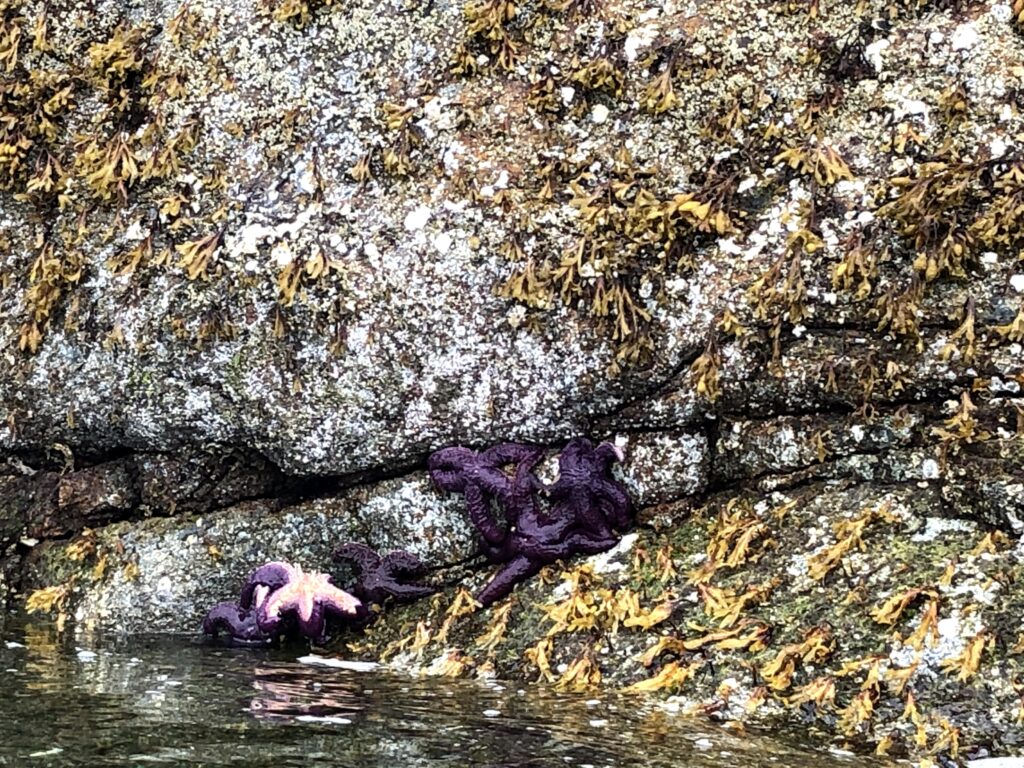
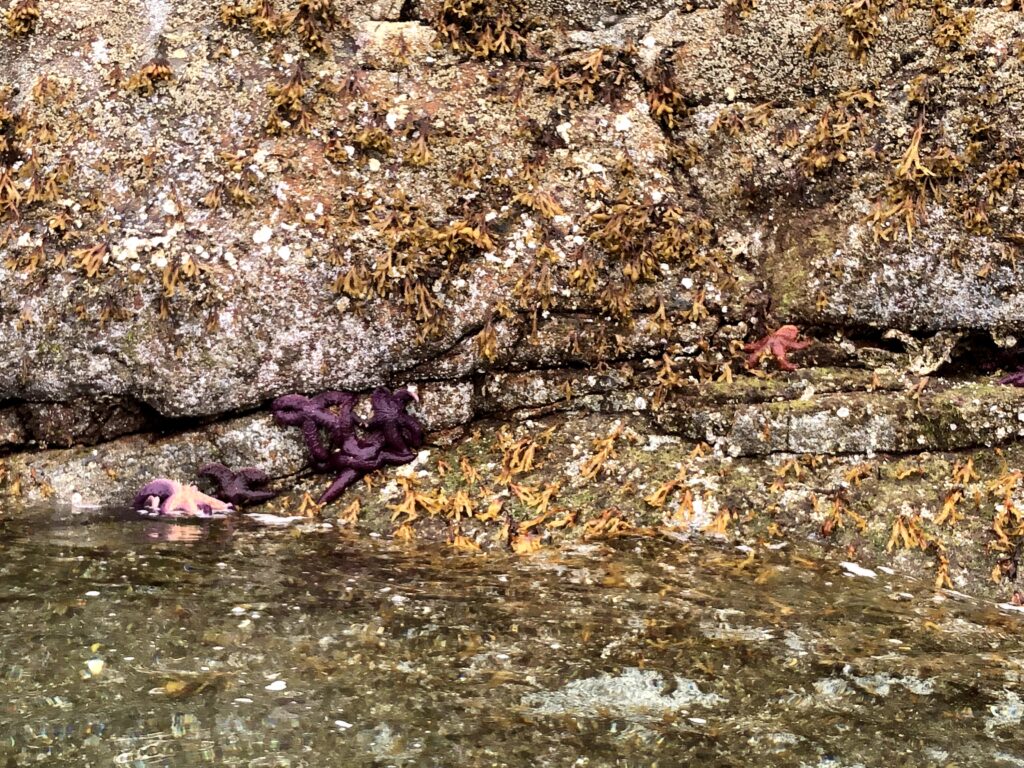
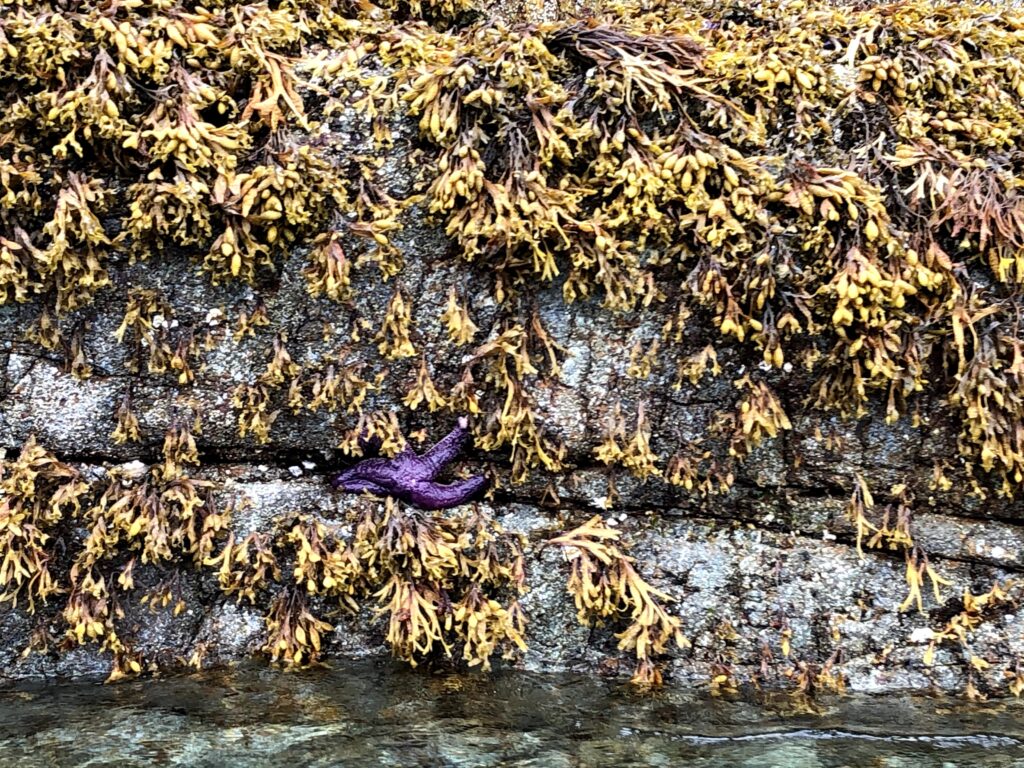
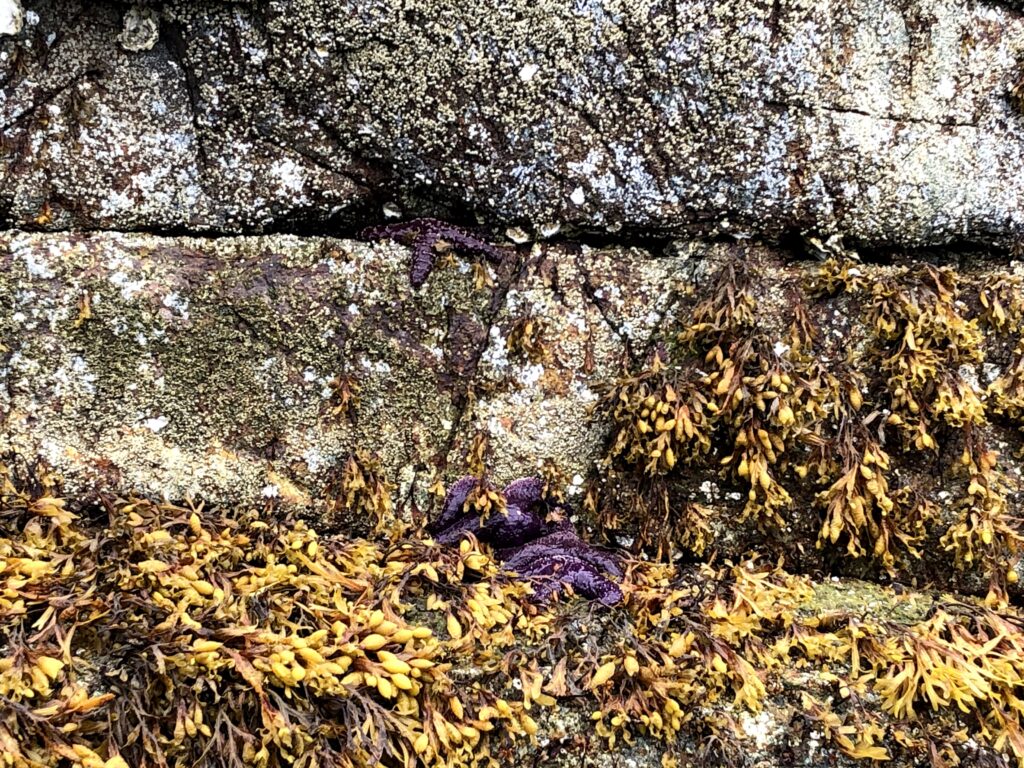
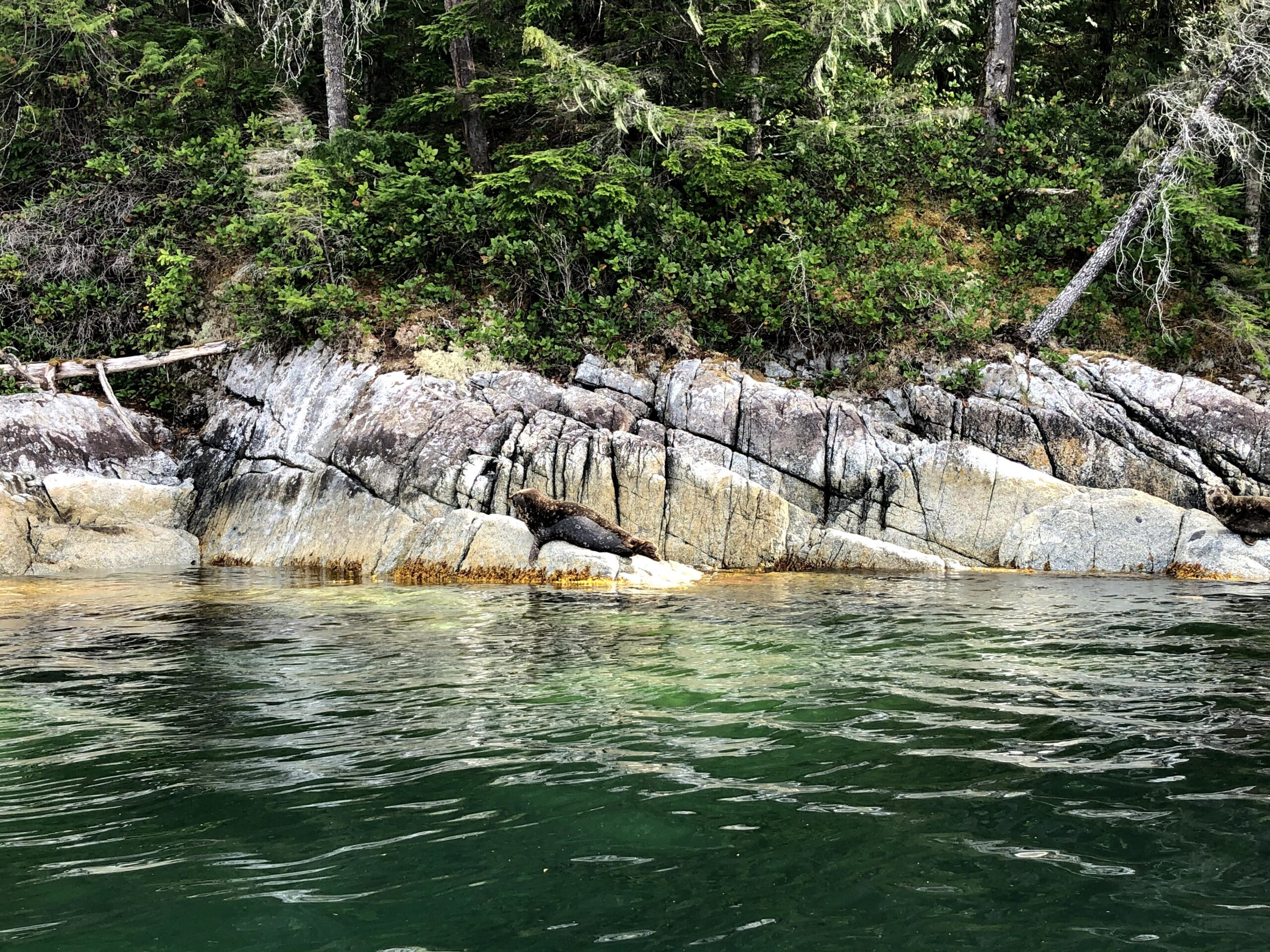
About a decade ago the sea stars were being destroyed by a disease. They sadly aren’t recovering as expected. I was so blessed to have seen so many seastars on this trip.
That evening we had double checked the weather and noted that high gust of winds were expected for the next day.
August 29
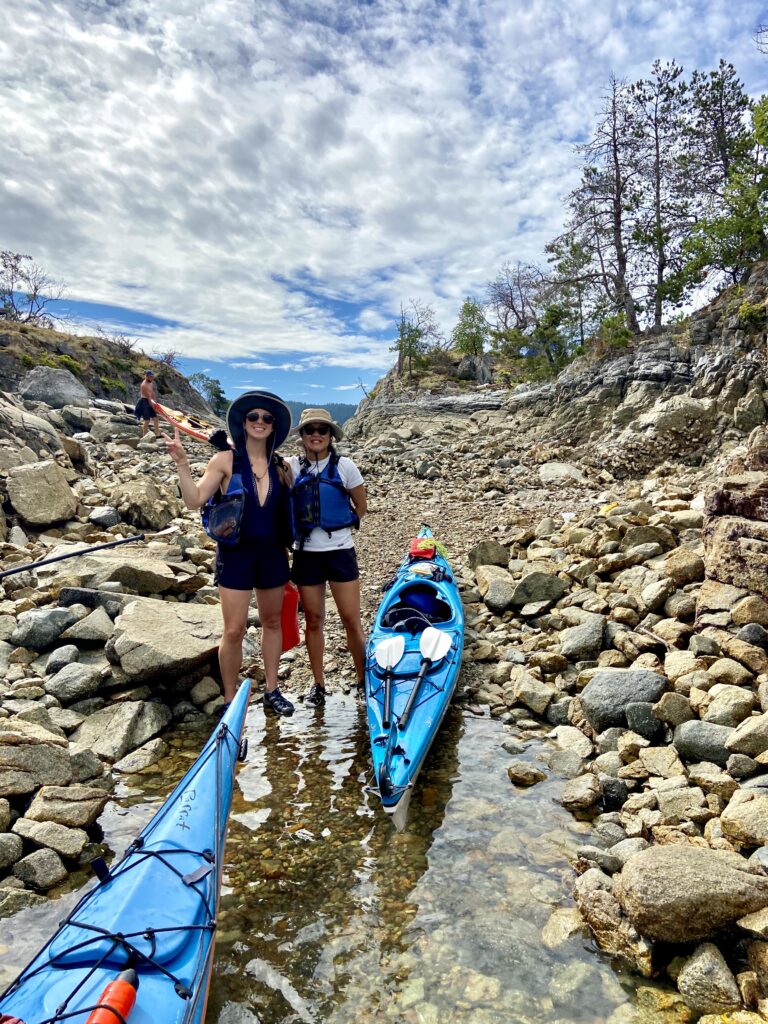
When we woke up there was a slight breeze and we understood that the afternoon gusts were inevitable. But we decided to head out to for our adventure of the day which was a ~4km return to Tenedos Bay and a lunch picnic at Unwin Lake (Fresh water).
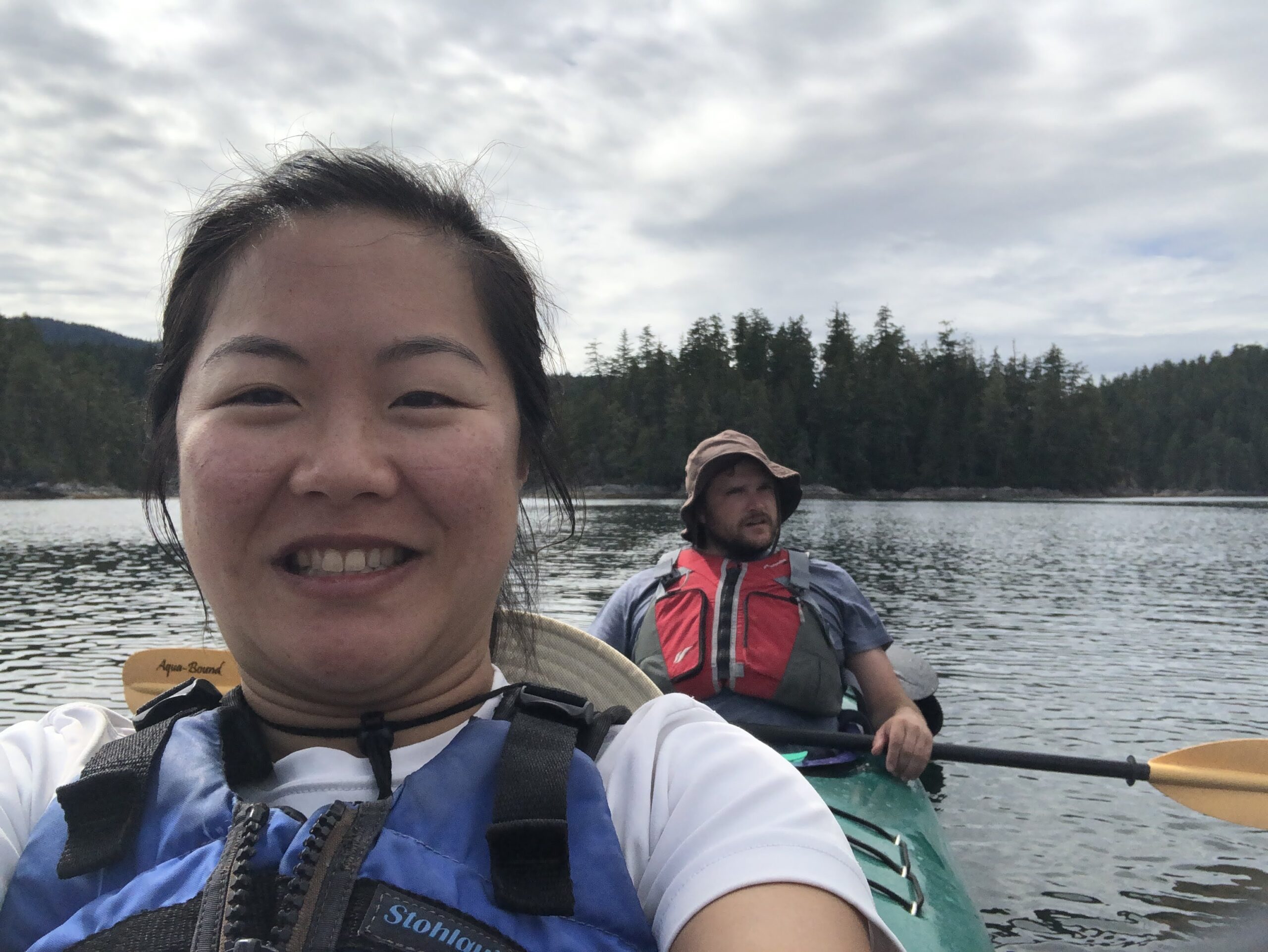
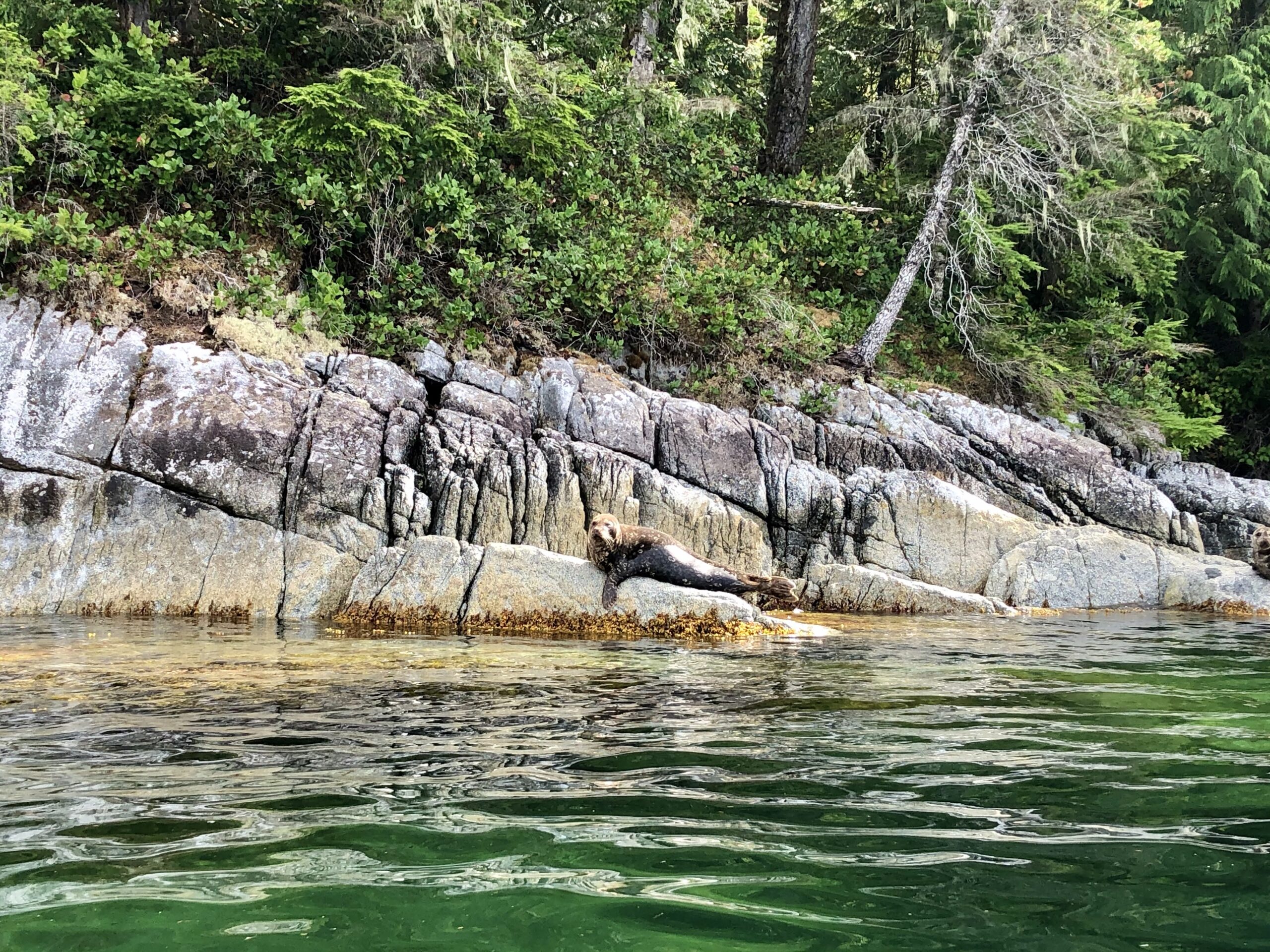
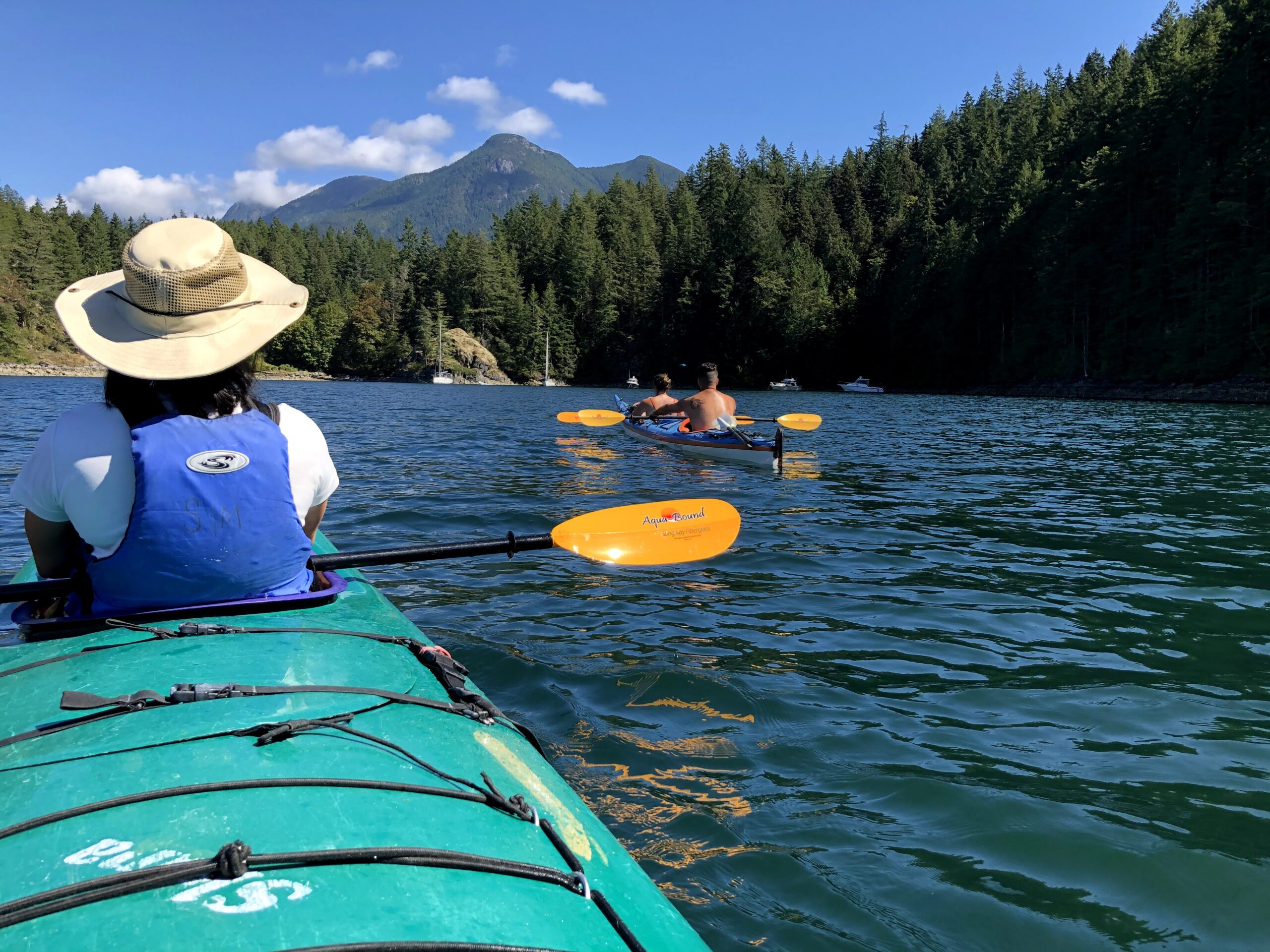
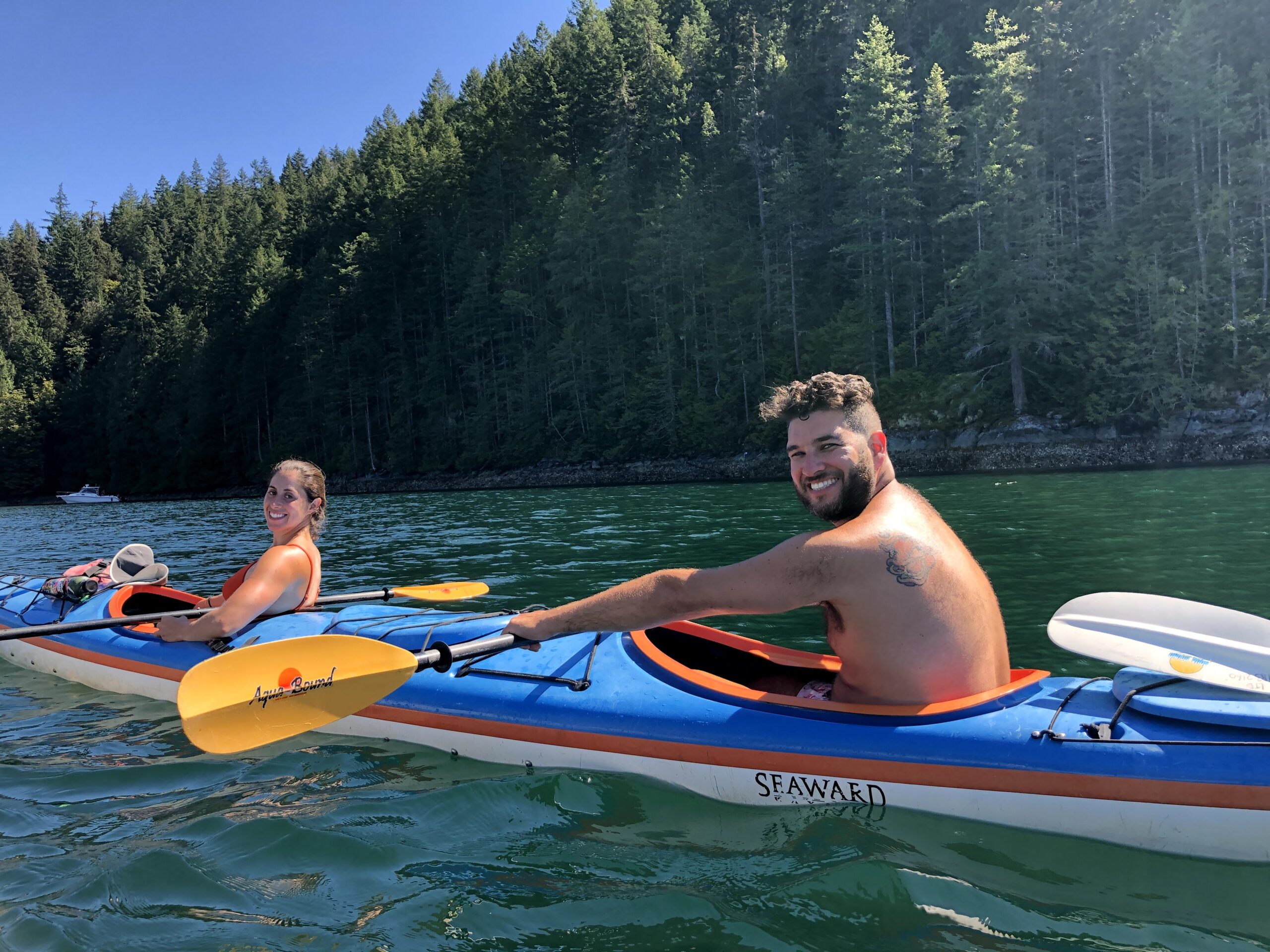
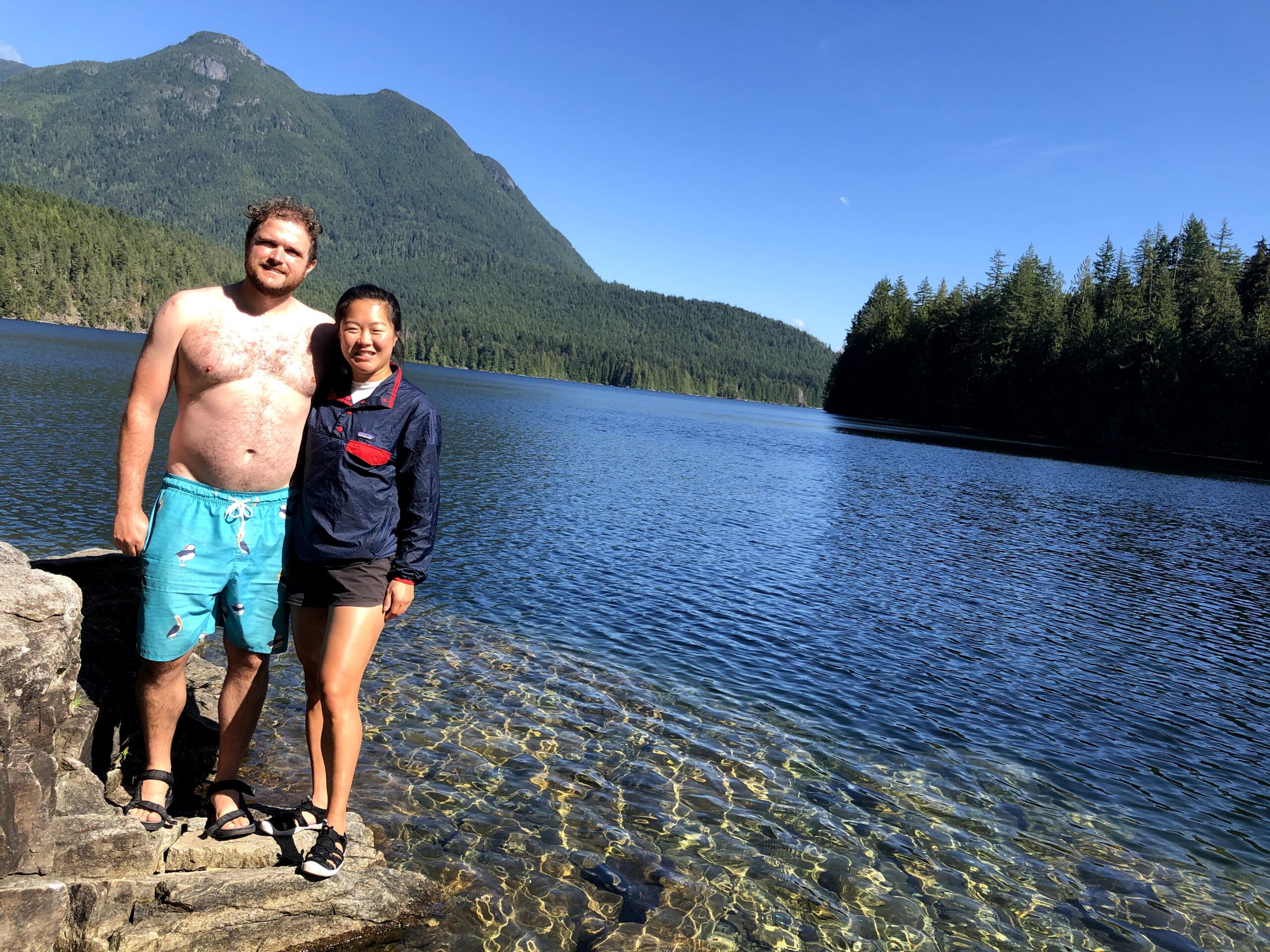
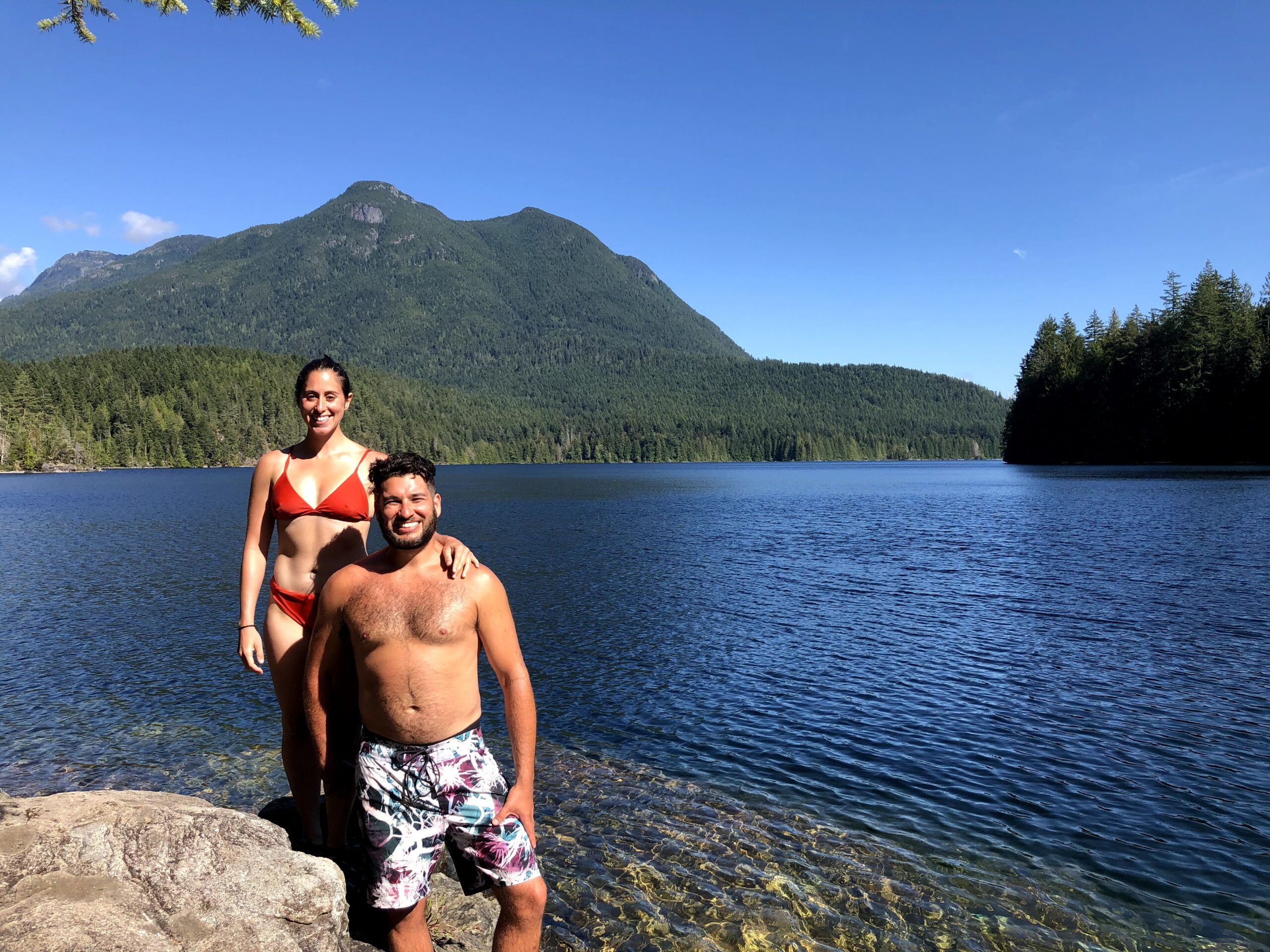
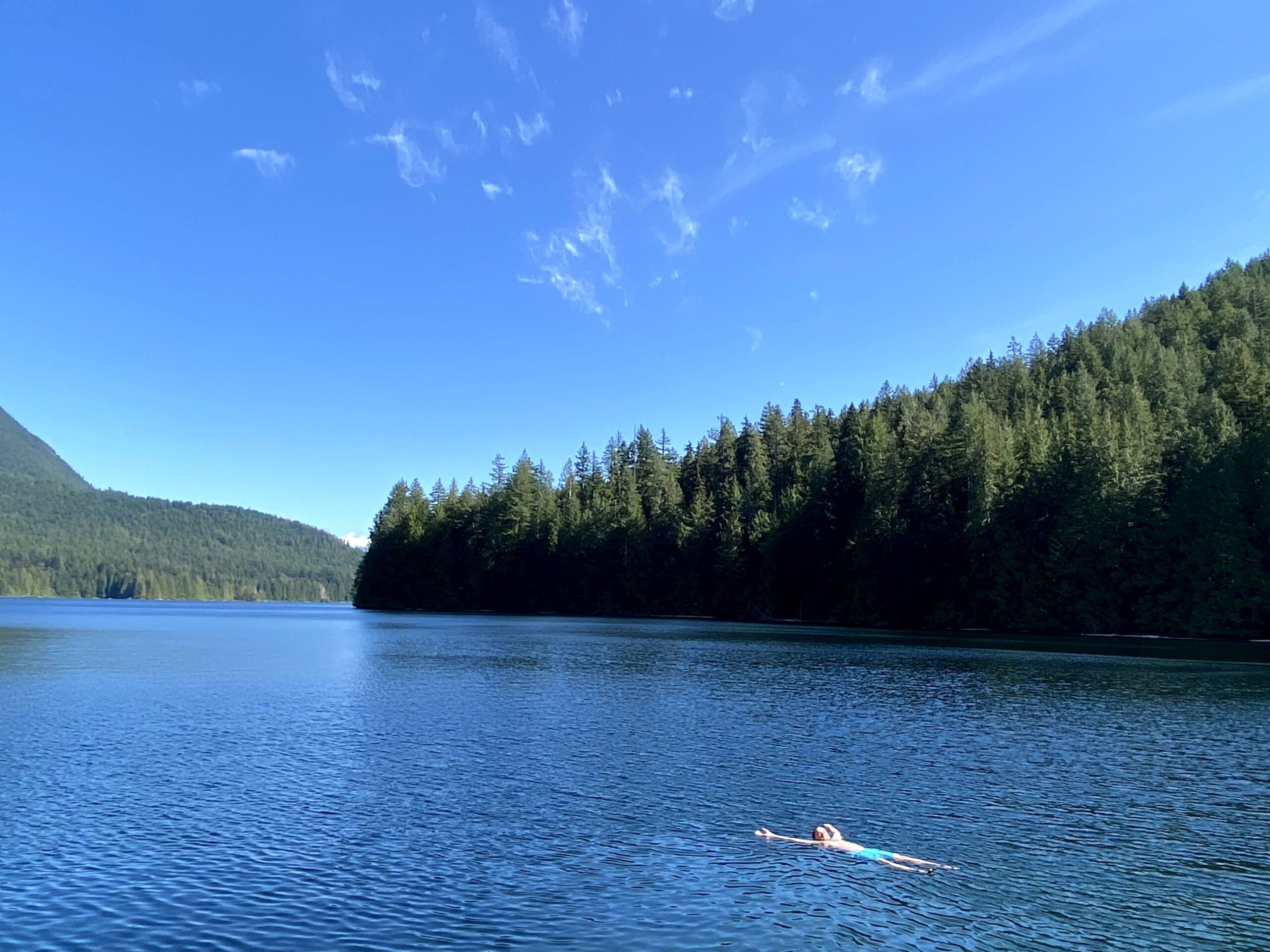
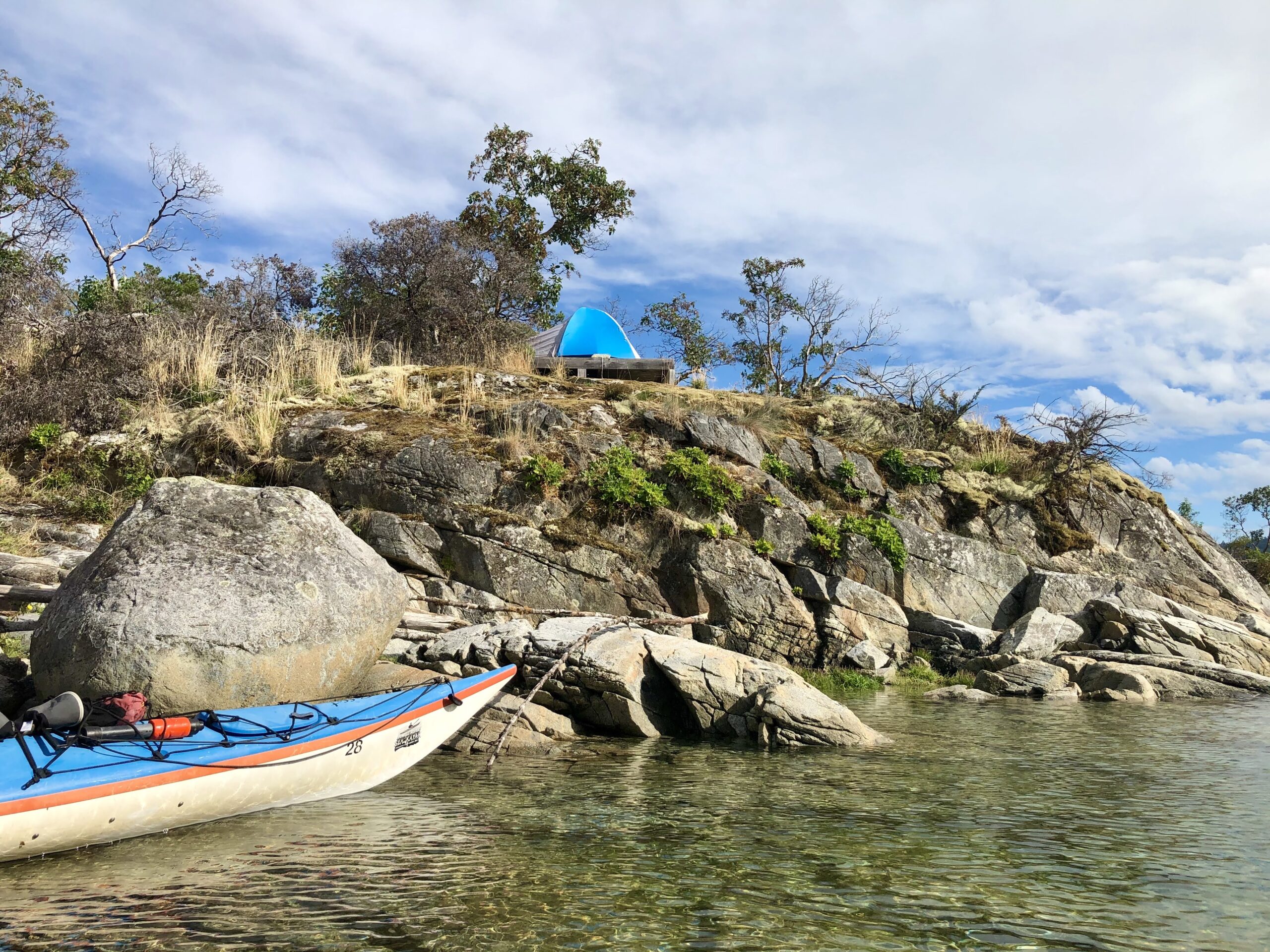
When we got back into our kayaks and left the protection of Tenedos Bay we really felt the gust. Curme was not far away. The gusts were about 30km with whitecaps. If you stopped you would never make it. It seemed like we were not making any progress. However we had finally made it back to camp.
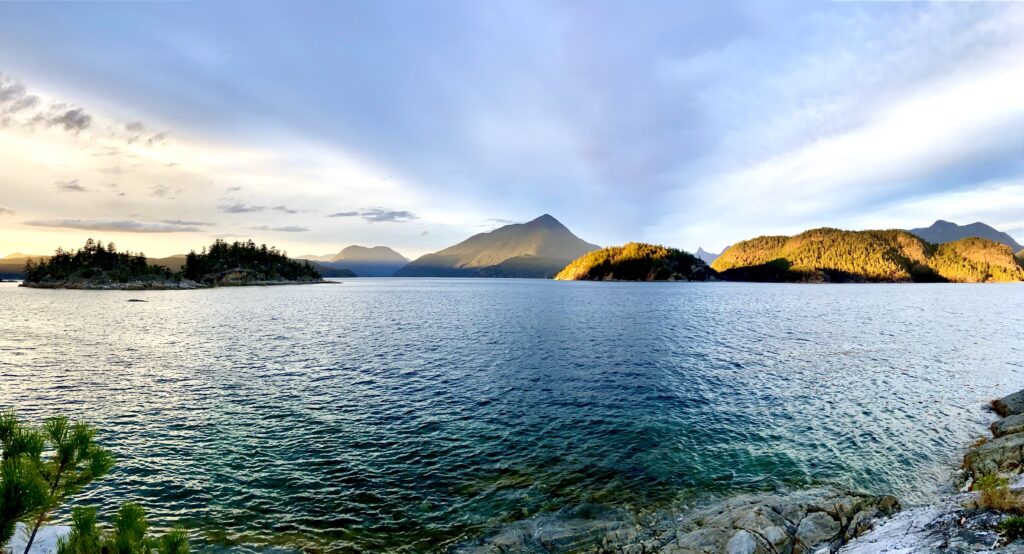
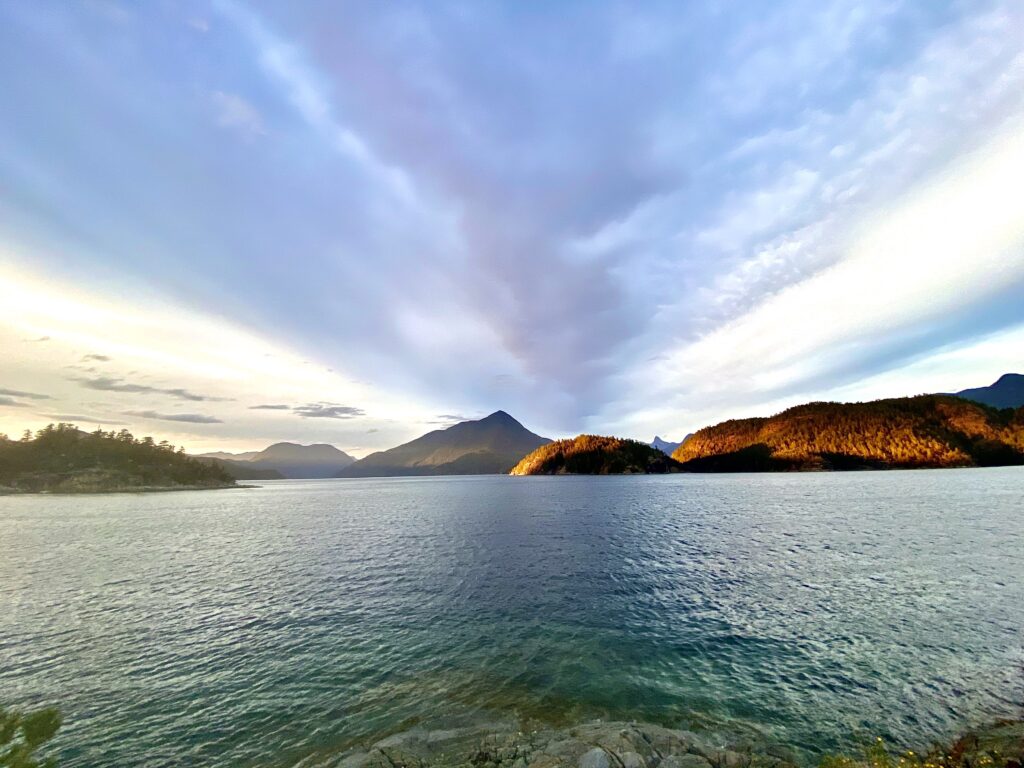
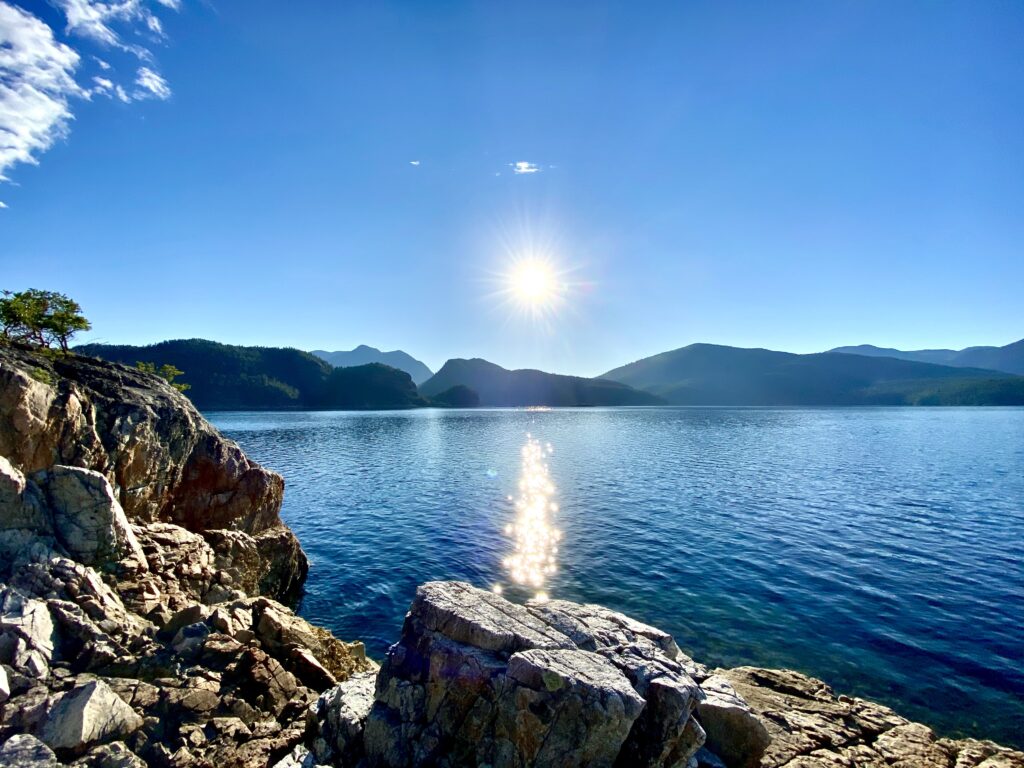
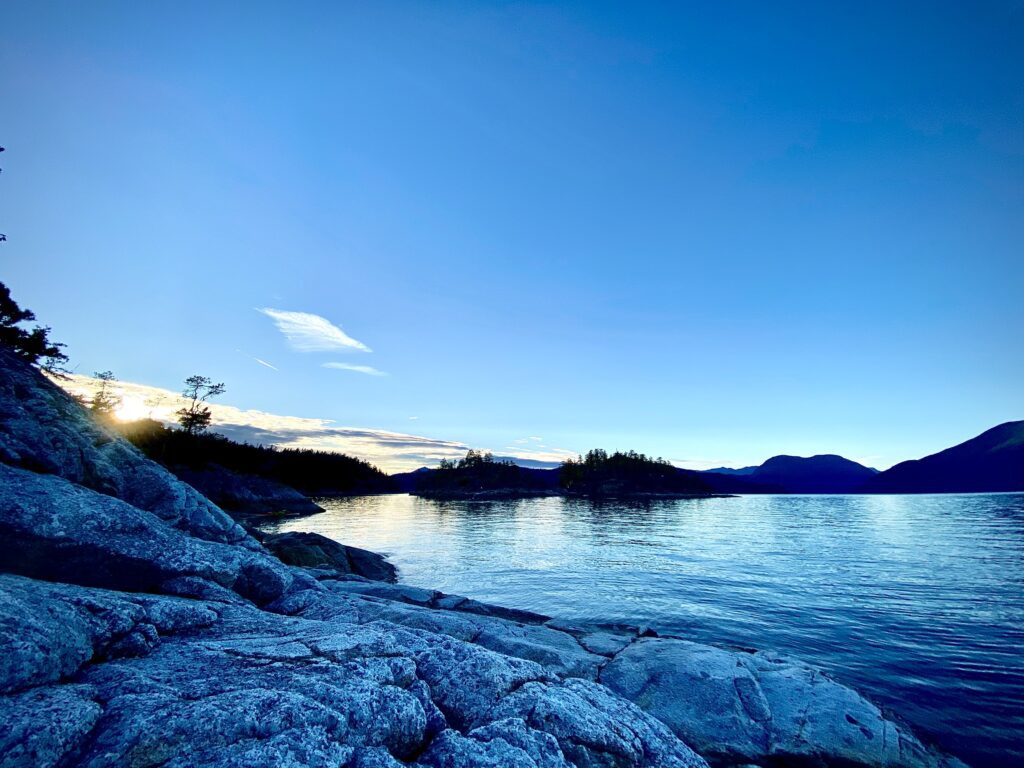
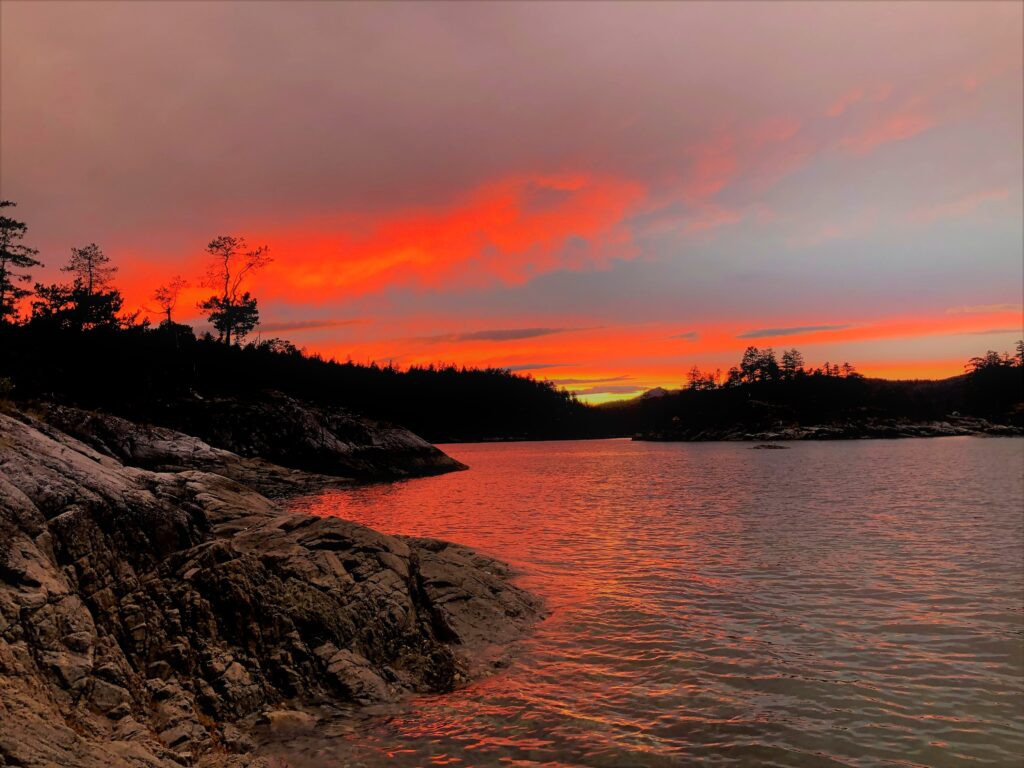
It was so windy that one of our stoves did not work!
We checked the tides and weather for our departure the next day back to Okeover. We saw a storm rolling in and decided to leave as soon as the tides allowed.
August 30
Our luck with the weather was turning as we made our way back to our car at Powell River Sea Kayaks in Okeoever. As we turned the last corner to Hare point into the Malasapina Inlet the clouds turned grey and overcast and the winds picked up. We struggled a little bit against winds and currents at the entrance of the Malasapina inlet and got very wet! Luckily once inside the inlet, we were protected and the waters were calm. As were pulling up to the Kayak rental it began to rain so we quickly packed up our car.
The weather gods were truly on our side for this beautiful trip down to the last second! We saw a few grumpy but courageous groups heading out to the pouring rain for their journey.
By the time we reached Earl’s Cove the sunshine came out again and we dipped in Ruby Lake before heading back to Vancouver with Hearts full of Island Paradise.
Helpful Tips
Transportation
Getting to Powell River requires two ferries from Vancouver:
The most direct route is Horseshoe bay (Vancouver) to Langdale (Sunshine Coast) then catch a non reservable ferry from Earl’s Cove to Saltry Bay.
If you have time you can can get to Powell River from Vancouver Island. Which is precisley what I did:
Tsawwassen (Vancouver) to Duke Point (Nanaimo) and drive north to Comox and catch the ferry Little River (Comox) to Westview (Powell River). We took a side trip to Hornby Island and Savary Island and got to explore Comox and Mt. Washington.
Tip
- Reserve your BC ferry for your return trip as soon as you know your dates of travel
- Don’t forget to get a BC ferries FareSaver discount card. There’s a minimum that you must upload each time but it does save you money on several of these routes!
Water
We reserved about 4L of fresh water per person a day which was ample. This includes all the water you need for brushing your teeth and coffee and tea. We used salt water for dishes. We also brought juices and other beverages to enjoy!
Tip
- We used collapsing camping 20L to carry our water. Plastic water containers work well too
- MSR Water bags such as the Dromedary bags work as well
- Multiple 4L recycled milk jugs work fine too
Gear
Bring as manny dry bags as you can. We found the 15L size to be ideal for packaging into the kayaks. We found another larger than 20L to be difficult to squeeze in. Using two layers of garbage bag will suffice for items that can get wet and will dry quickly.
Other than your normal camp clothes keeping a spare set of dry clothes, paddling gloves, jackets, gloves, toque proved to be beneficial even in the summer.
Tip
- Make sure you wear footwear that covers the toes and that your feet are solidly strapped in. The reason being is that desolation sound (compared to sandy beach launches in the Broken Group) has many sharp rocks, oysters, clams, and barnacles during low tide that you do not want to cut your feet on. (Keens, natives, and tevas are a good example).
- First aid kit to bandage your feet when you cut yourself
- Don’t forget to bring extra toilet paper. We packed ours in a ziplock so it was waterproof along with a hand sanitizer.
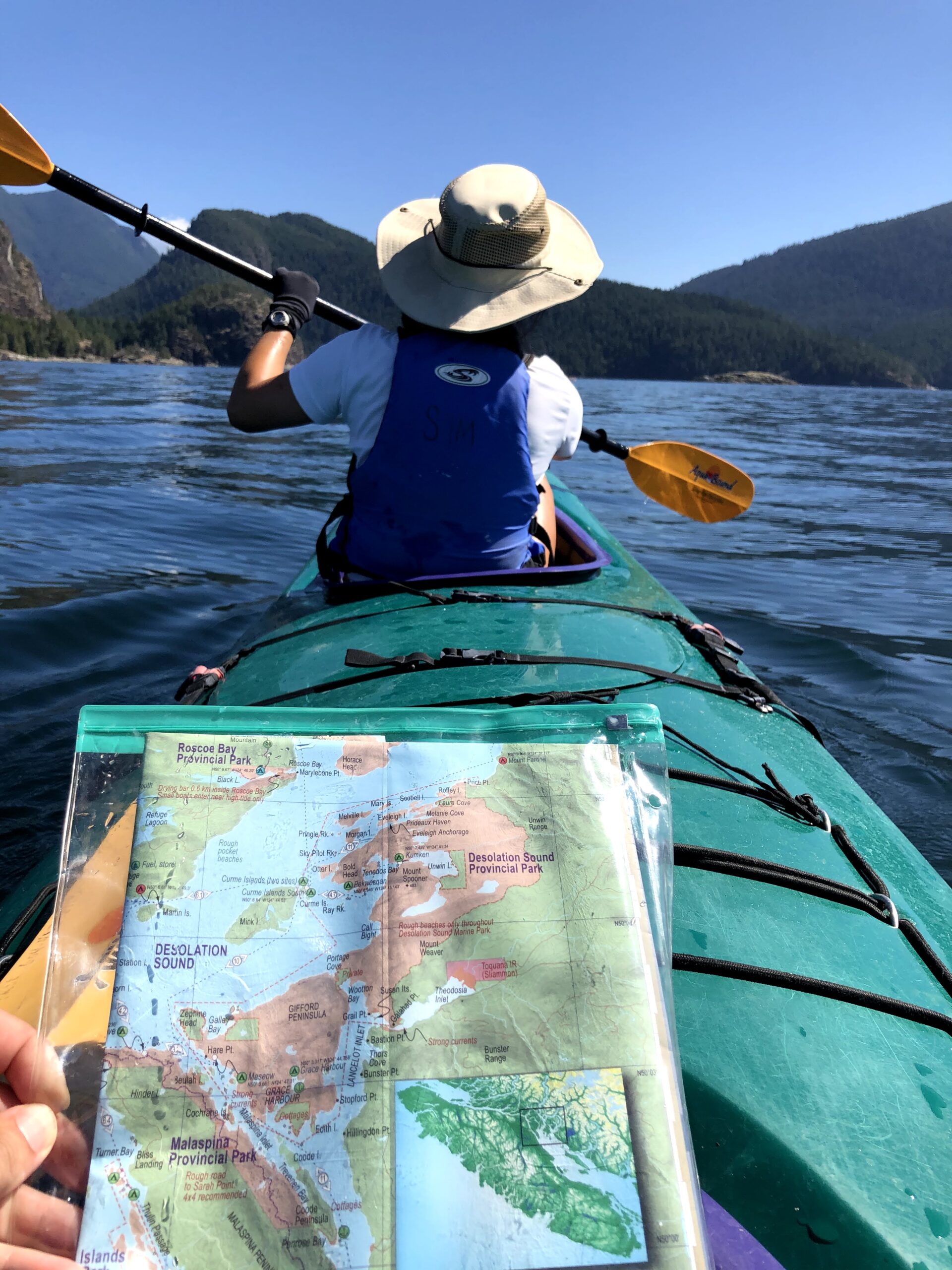
- Bring an extra marine map in a waterproof sleeve in case one gets lost and also print out the tide charts along with your back country camping permit for the marine camp warden.
- One compass per kayak
- Camping char to sit on
- Bring an IKEA or water resistant bag to decrease the number of trips to the kayak while bring stuff back and froth
Marine Education
Do your research! We prepared for this trip by reading blogs and loaning books from the library about Desolation sound. Learning to read tide charts is beneficial for when you want to launch can save a lot of time. Understanding tidal movement and speed is also useful knowledge combined with downloading a wind and/or weather app. Make sure you feel comfortable in self kayak rescue. We also read that for novice kayakers that we should not head out in 10kt winds. Our kayak rental place made sure that we had previously done a course on self rescue and had the knowledge of self rescue before they let us rent the kayaks! Know how to tell them the exact steps!
Recent Comments